
As the enticing aroma of coconut milk and spicy Thai curry wafts through my kitchen, I’m swept away to food markets bustling with life. Today, I’m thrilled to share my go-to recipe for Easy Thai Coconut Shrimp Curry—a quick meal that transforms simple ingredients into an unforgettable dish. With its creamy sauce and succulent shrimp, this recipe is not only a feast for the eyes but also a delightful reward for busy weeknights or when you’re craving something special without the hassle. It’s gluten-free and comes together in a single skillet, making cleanup a breeze. Imagine indulging in a comforting bowl that rivals your favorite takeout, right at home! What will you serve alongside this vibrant curry?
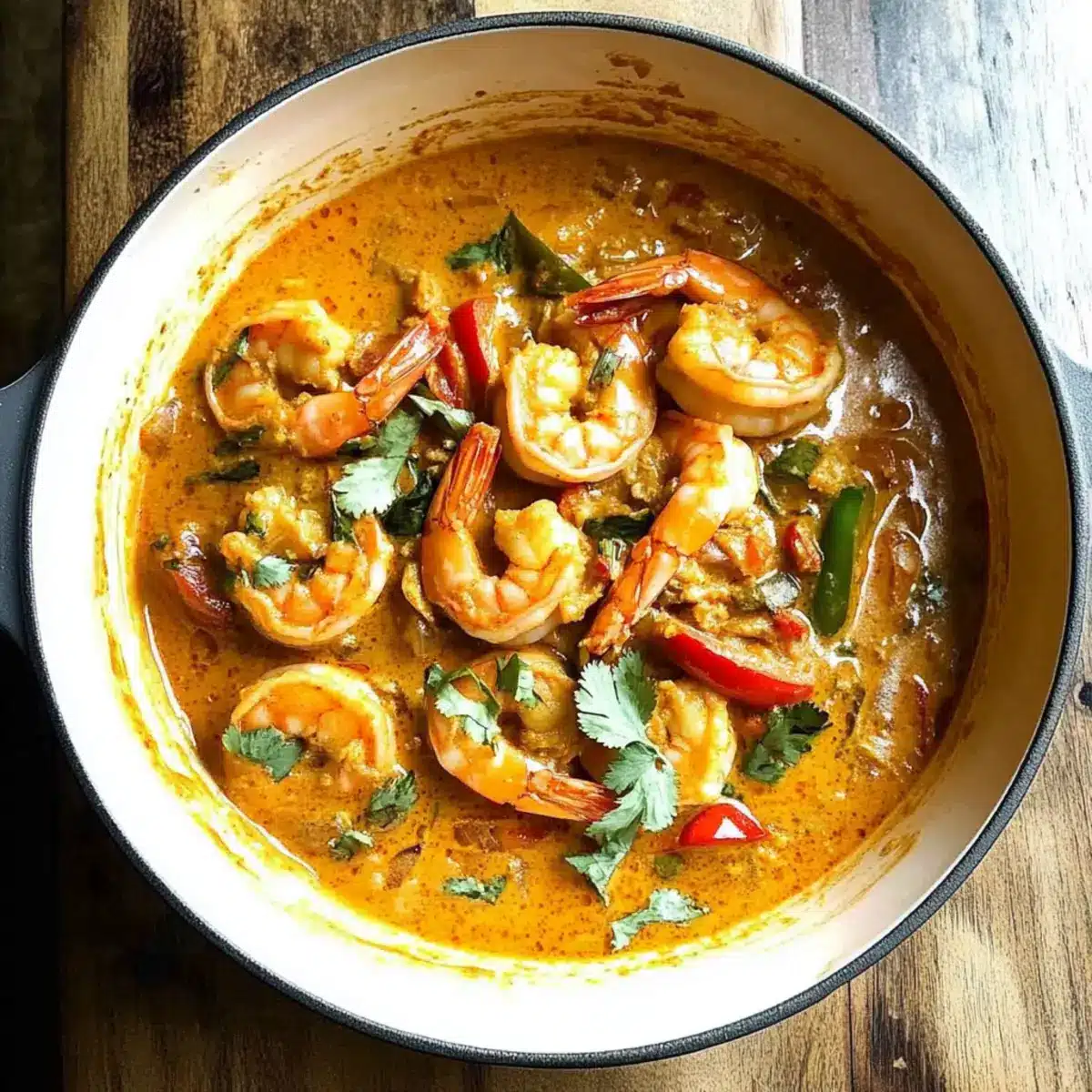
Why Is This Dish a Must-Try?
Quick and Easy: Whip up this delightful curry in just 30 minutes, making it a perfect choice for those busy weeknights.
Creamy and Flavorful: The combination of coconut milk and Thai red curry paste delivers a rich, savory taste that will make your taste buds dance with joy.
Versatile Base: Swap out shrimp for chicken or tofu and add your favorite veggies like broccoli or snap peas for a nutritious twist!
Less Cleanup: This dish requires only one skillet, saving you time on both cooking and washing up—ideal for those who want to spend more time enjoying dinner.
Restaurant-Quality Taste: Enjoy the vibrant flavors of Thai cuisine in the comfort of your own home, rivaling even your favorite takeout options. Serve with jasmine rice or a fresh cucumber salad for a complete meal. For more quick seafood inspiration, check out my Garlic Paprika Shrimp recipe!
Thai Coconut Shrimp Curry Ingredients
• Dive into this flavorful dish with these simple ingredients!
For the Curry
- Shrimp – 1 pound, peeled and deveined; the main protein source delivering tender juiciness.
- Low Sodium Soy Sauce – 1 tsp; enhances umami flavor but can be substituted with regular soy sauce.
- Thai Red Curry Paste – 3 tbsp; this is the key flavor base, or use green curry paste for a different taste.
- Unsweetened Coconut Milk – 1 can (14 oz); provides creaminess, with full-fat being best for richness.
- Chicken Broth – ½ cup; use for depth of flavor; vegetable broth is a great option for a vegetarian choice.
- Brown Sugar – 2 tsp; balances flavor; can also substitute with honey or coconut sugar.
For the Aromatics
- Garlic Cloves – 4, grated; fresh flavor that elevates the dish; use garlic powder if fresh isn’t available.
- Fresh Ginger – 1 tbsp, freshly grated; adds a warming spice note; ground ginger works in a pinch.
- Shallot – 1, finely chopped; for sweetness; can swap with onion if needed.
- Bell Pepper – 1, sliced; offers crunch and sweetness; zucchini or bok choy can replace it.
For the Seasoning
- Turmeric – ½ tsp; adds warm color and can be substituted with curry powder.
- Red Pepper Flakes – ½ tsp; adds heat and can be adjusted based on your spice preference.
- White Pepper – ¼ tsp; provides a mild heat; you can use black pepper as an alternative.
- Ground Cumin – ½ tsp; optional but adds earthiness; highly recommended!
- Ground Coriander – ½ tsp; enhances depth of flavor; also optional but worth it!
- Fish Sauce – 1 tbsp; contributes umami flavor; for a vegetarian option, additional soy sauce works well.
For the Finish
- Lime – ½, juiced; adds brightness to the flavor; lemon juice is a good alternative.
- Sriracha – 1 tsp (optional); for extra heat, adjust to your preference.
- Thai Basil – 1 handful, torn; for freshness and aroma; substitute with regular basil if unavailable.
For Toppings
- Scallions, Fried Onions, Cilantro, Chili Pepper – as desired for garnishing; these add texture and flavor enhancement.
Now, gather these ingredients, and let’s embark on a culinary journey to create your very own Thai Coconut Shrimp Curry!
Step‑by‑Step Instructions for Thai Coconut Shrimp Curry
Step 1: Prepare the Shrimp
In a mixing bowl, combine 1 pound of peeled and deveined shrimp with 1 teaspoon of low sodium soy sauce, ½ teaspoon of red pepper flakes, ½ teaspoon of turmeric, 1 teaspoon of garlic powder, and ¼ teaspoon of white pepper. Mix well until the shrimp are evenly coated. Set the bowl aside while you prepare the other ingredients, allowing the flavors to meld.
Step 2: Chop the Vegetables
Finely chop 1 shallot and grate 4 cloves of garlic and 1 tablespoon of fresh ginger. Slice 1 bell pepper into thin strips. Having your veggies prepped ensures everything comes together smoothly as you start cooking the Thai Coconut Shrimp Curry, saving you precious time during the cooking process.
Step 3: Sear the Shrimp
In a large skillet, heat 1 tablespoon of vegetable oil and 1 tablespoon of unsalted butter over medium-high heat. Once shimmering, add the seasoned shrimp. Sear for about 1 minute on each side until they turn pink and slightly caramelized. Remove the shrimp from the skillet and set them aside on a plate, leaving the flavorful oil behind for the next step.
Step 4: Sauté the Bell Pepper
In the same skillet, add the sliced bell pepper. Sauté for approximately 5 minutes, stirring occasionally, until they begin to soften and become vibrant. This step enhances their sweetness and creates a wonderful base for your Thai Coconut Shrimp Curry.
Step 5: Add Aromatics
Now, stir in the grated garlic, ginger, and chopped shallot to the skillet. Cook for 2 minutes until they become soft and fragrant, releasing their wonderful aromas. This combination will add a depth of flavor to your curry that’s simply irresistible as it starts to fill your kitchen with delightful scents.
Step 6: Deglaze the Skillet
Pour in ½ cup of chicken broth, scraping the bottom of the skillet to incorporate any brown bits. Allow the mixture to simmer for 2 minutes, enhancing the broth’s flavor and creating a rich base for your sauce. The deglazing process adds a layer of complexity to your Thai Coconut Shrimp Curry.
Step 7: Create the Curry Base
Next, stir in 3 tablespoons of Thai red curry paste, 2 teaspoons of brown sugar, ½ teaspoon of turmeric, ½ teaspoon of ground cumin, ½ teaspoon of ground coriander, 1 teaspoon of soy sauce, and 1 tablespoon of fish sauce. Cook for 1 minute to blend the flavors before moving on to the next step, combining everything into a fragrant base.
Step 8: Add the Coconut Milk
Pour in 1 can (14 oz) of unsweetened coconut milk, bringing the mixture to a gentle boil. Reduce the heat and let it simmer for about 5 minutes, allowing the sauce to thicken slightly. The creamy coconut will meld the flavors seamlessly, setting the stage for your succulent shrimp.
Step 9: Final Touches
Stir in the juice of ½ lime, 1 teaspoon of sriracha if desired, and a handful of torn Thai basil. Reintroduce the cooked shrimp back into the skillet, cooking briefly for no more than 1 minute until everything is heated through and well combined. This final step melds the shrimp and the sauce together for a delightful finish.
Step 10: Serve and Garnish
Smother your Thai Coconut Shrimp Curry over a bed of jasmine rice or alongside a refreshing cucumber salad. Garnish with fresh cilantro, crispy fried onions, and sliced chili peppers for added texture and flavor. Enjoy this comforting, vibrant dish that brings the essence of Thai cuisine right into your home!
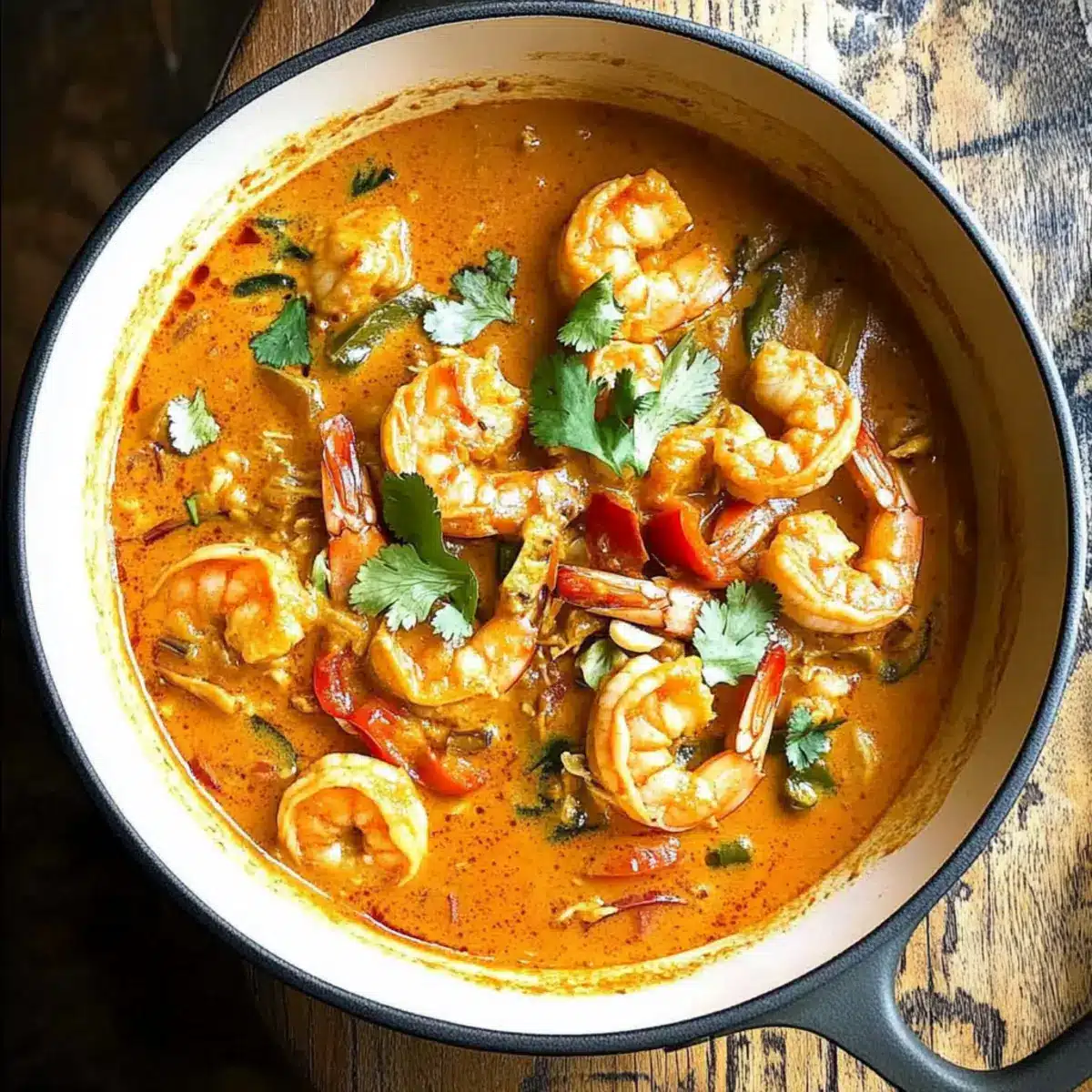
Thai Coconut Shrimp Curry Variations
Feel free to make this delightful curry your own with these easy swaps and flavorful twists!
-
Protein Swap: Substitute shrimp with chicken or tofu for a different protein experience. Chicken pairs beautifully with the curry sauce and offers a heartier bite, while tofu provides a nice vegetarian alternative.
-
Veggie Boost: Add a mix of vegetables like broccoli, snap peas, or carrots to enhance nutrition and color. Not only will this add variety, but it also makes for a vibrant and wholesome dish full of flavors.
-
Dairy-Free Option: Use coconut oil instead of butter for a fully dairy-free version. The rich coconut oil will complement the flavors of the curry beautifully.
-
Flavor Kick: For an extra zing, add 1 tablespoon of fish sauce for a deeper umami flavor or include a bit of lime zest. The zest will brighten the dish further, making each bite more refreshing.
-
Heat Level: Adjust the heat by increasing or decreasing the amount of red pepper flakes. For those who love spice, consider adding a few slices of fresh chili or a dash of hot sauce.
-
Curry Paste Variations: Swap out the Thai red curry paste for green curry paste for a unique taste twist. This subtle change can bring a whole different flavor profile to your dish.
-
Rice Alternative: Serve over quinoa or cauliflower rice for a lower-carb alternative. These options will soak up the delicious curry sauce while offering a satisfying base.
-
Garnish Ideas: Experiment with toppings! Try using chopped peanuts or sesame seeds for added crunch. They provide a delightful contrasting texture that elevates the dish.
For more inspired recipes, consider exploring my Garlic Paprika Shrimp or dive into a delicious Lasagna Lobster Shrimp for further culinary adventures. Enjoy your cooking journey!
Expert Tips for Thai Coconut Shrimp Curry
- Prep Wisely: Ensure all ingredients are chopped and measured before starting. This makes the cooking process smoother and quicker, which is essential for this Thai Coconut Shrimp Curry.
- Don’t Overcook: Shrimp should only be cooked for about 1 minute on each side. Overcooking can lead to a rubbery texture, so keep an eye on them!
- Adjusting Heat: If you prefer a milder curry, reduce the amount of red pepper flakes and sriracha. Always taste and adjust to achieve your desired spice level.
- Flavor Depth: Use fresh ingredients like garlic and ginger for a more aromatic and flavorful dish. They make a big difference in taste compared to dried versions.
- Balance the Sauce: If the curry is too spicy, a little more brown sugar can help balance the heat, allowing the creamy coconut flavor to shine.
- Make It Your Own: Feel free to play with the vegetables! Broccoli, snap peas, or zucchini can enhance nutrition and add more color to the dish.
Make Ahead Options
Preparing your Thai Coconut Shrimp Curry in advance can save you precious time on busy weeknights! You can marinate the shrimp in the soy sauce, red pepper flakes, turmeric, garlic powder, and white pepper up to 24 hours ahead; just keep it covered in the refrigerator. Additionally, you can chop the vegetables and store them in airtight containers for up to 3 days. When you’re ready to cook, simply sauté the prepared shrimp and vegetables and follow the recipe from Step 3 onwards. This way, you ensure that your vibrant curry is just as delicious and fresh with minimal effort!
What to Serve with Easy Thai Coconut Shrimp Curry
Elevate your dinner experience with these delightful pairings that complement the flavors and textures of the curry.
- Jasmine Rice: Perfect for soaking up the creamy sauce, this fragrant rice provides a light, fluffy base that balances the curry’s richness.
- Cucumber Salad: This refreshing salad adds a crunch that contrasts beautifully with the creamy texture of the shrimp curry, offering a cool respite for your taste buds.
- Steamed Broccoli: Lightly steamed broccoli brings earthy green hues to your plate and enhances the nutrition, making it a wonderful side for a satisfying meal.
- Crusty Bread: A crusty baguette is a lovely addition that you can use to scoop up that delicious curry sauce, providing a hearty and comforting element.
- Mango Chutney: The slight sweetness of mango chutney pairs beautifully, helping to brighten up the spicy notes and adding a layer of complexity to each bite.
- Thai Iced Tea: This creamy, sweet tea is a delightful drink pairing that cools the palate while enhancing the dish’s aromatic flavors, perfect for a cozy night in.
- Chocolate Mousse: For dessert, indulge in a rich chocolate mousse; its creamy texture is a decadent way to end your meal on a sweet note, contrasting lovely with the spiced curry.
- Lime Wedges: Offering a burst of citrus, lime wedges are a great garnish that can elevate the flavor just before each bite, enhancing the overall experience.
- Grilled Pineapple Skewers: Grilled pineapple adds a caramelized sweetness that complements the curry’s spices, making for a fun, tropical treat that evokes beach vibes.
How to Store and Freeze Thai Coconut Shrimp Curry
Fridge: Store leftover Thai Coconut Shrimp Curry in an airtight container for up to 3 days. Be sure to cool it to room temperature before sealing.
Freezer: If you want to keep it longer, freeze the curry in a freezer-safe container for up to 2 months. Portion it for easier reheating later.
Reheating: To reheat, thaw overnight in the fridge and warm gently on the stove over low heat, stirring occasionally until heated through. You might need to add a splash of coconut milk to rejuvenate the creamy texture.
Serving Tip: For best flavor and texture, it’s recommended to freeze without any rice or toppings. Serve fresh when reheating for the best experience!
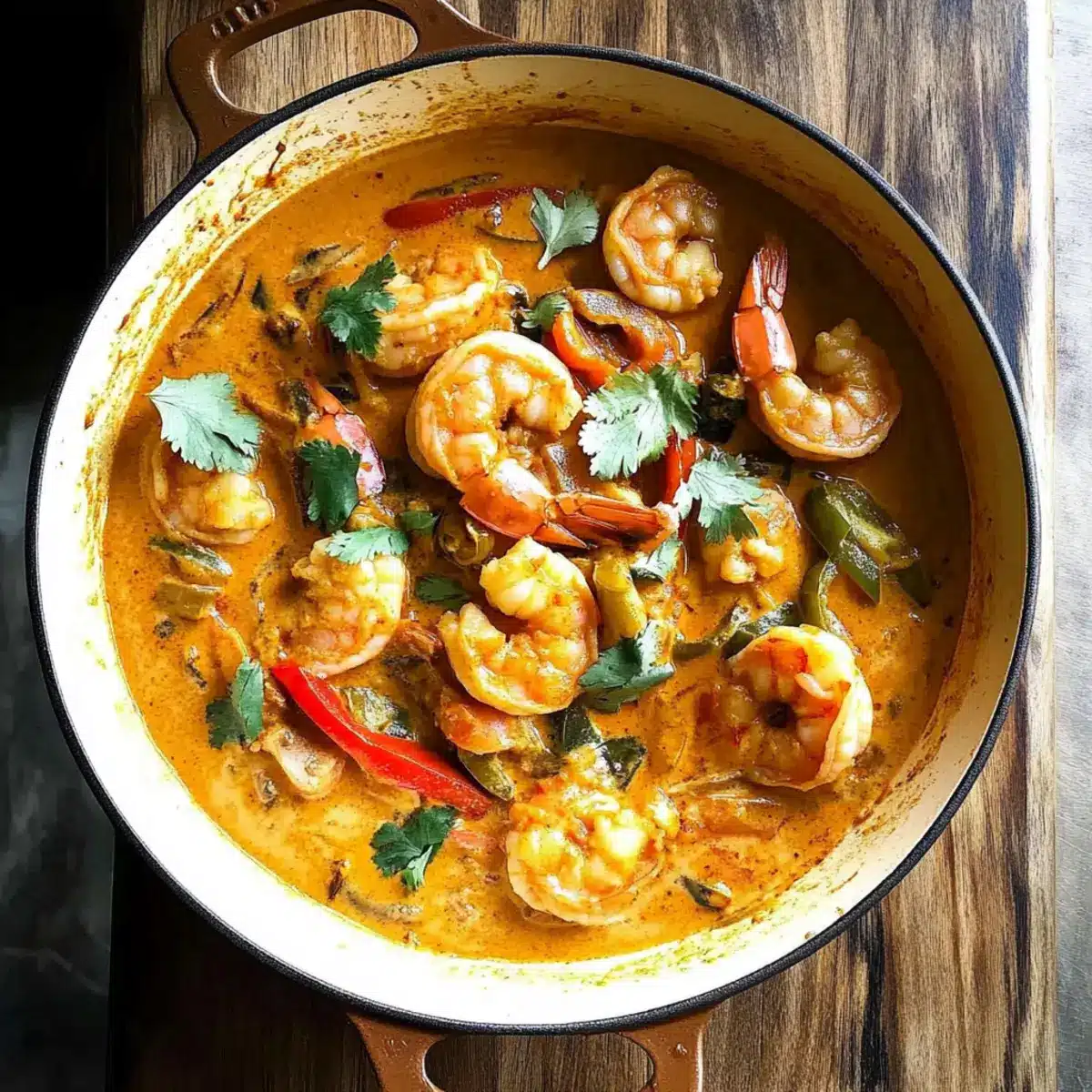
Thai Coconut Shrimp Curry Recipe FAQs
How do I choose the best shrimp for this dish?
Absolutely! Look for shrimp that are firm, translucent, and have a mild ocean smell. For the freshest taste, choose shrimp that were wild-caught if possible. Avoid any that have dark spots all over—they might be past their prime. I recommend deveined shrimp for a quick cook, but fresh deveining can also enhance taste and texture!
How long can I store leftover Thai Coconut Shrimp Curry?
You can store your leftover Thai Coconut Shrimp Curry in an airtight container for up to 3 days in the refrigerator. Just be sure to let it cool to room temperature before sealing it up.
Can I freeze this curry for later use?
Yes, you can! To freeze your Thai Coconut Shrimp Curry, transfer it to a freezer-safe container or a resealable bag once it’s completely cooled. Freeze for up to 2 months. For best results, stash it in individual portions to make reheating a breeze.
What’s the best way to reheat the curry?
To reheat your frozen Thai Coconut Shrimp Curry, first let it thaw overnight in the fridge. Then warm it gently in a saucepan over low heat, stirring occasionally. You may want to add a splash of coconut milk to revive the creamy texture. Heat until warmed through, and enjoy!
Can I make this dish allergy-friendly?
Certainly! To make this dish gluten-free, use tamari in place of regular soy sauce. If you’re avoiding seafood, substitute the shrimp with firm tofu or chicken. Also, keep an eye on the red curry paste, as some brands may contain fish sauce or gluten—opt for vegetarian versions if necessary.
What do I do if my curry is too spicy?
If your Thai Coconut Shrimp Curry turns out too spicy for your taste, don’t fret! You can balance the heat by adding a bit more brown sugar or coconut milk to the mix. This will help to mellow the spice and create a more harmonious flavor profile. Taste as you go until it feels just right!
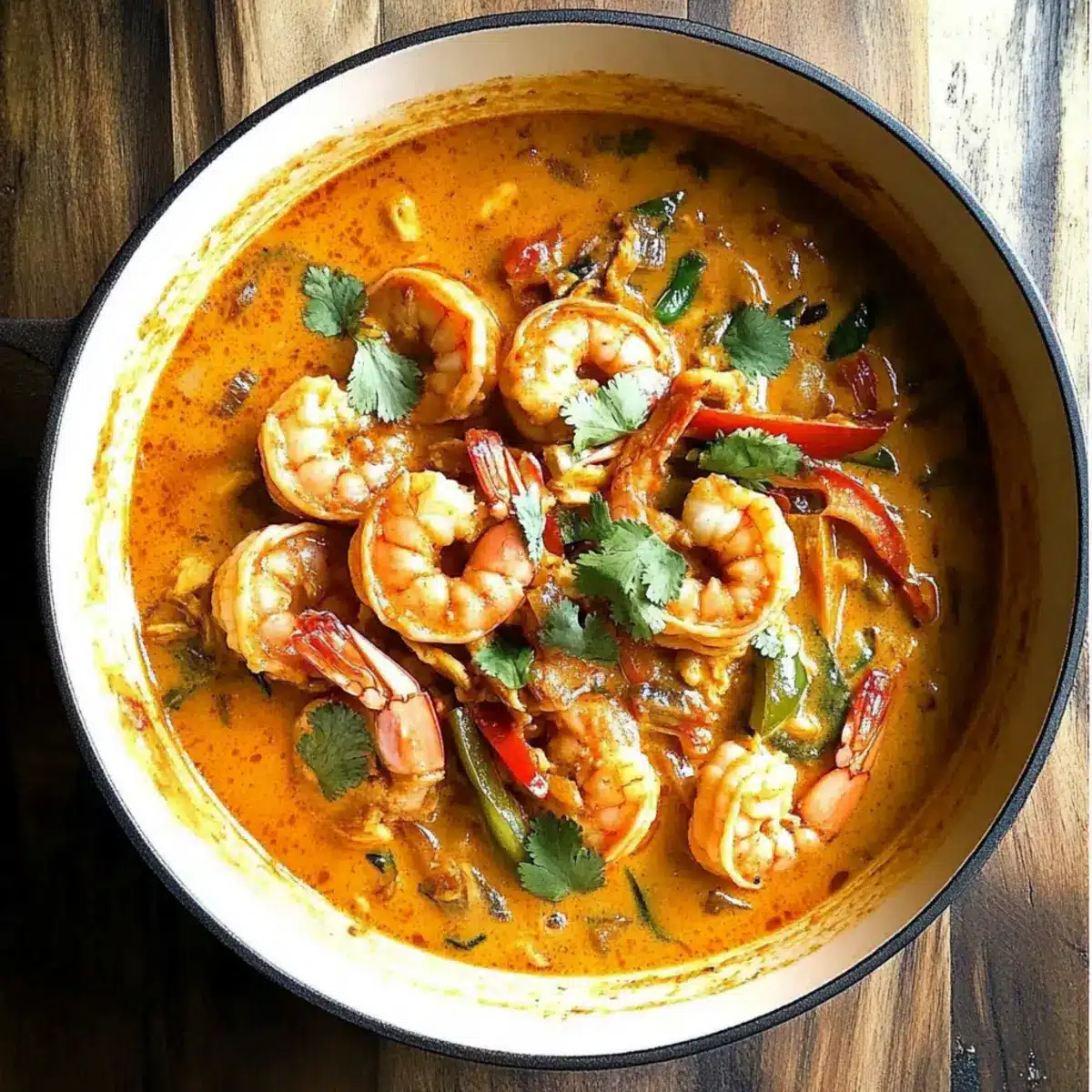
Thai Coconut Shrimp Curry: Creamy, Spicy Delight in 30 Minutes
Ingredients
Equipment
Method
- In a mixing bowl, combine shrimp with low sodium soy sauce, red pepper flakes, turmeric, garlic powder, and white pepper. Set aside.
- Finely chop shallot and grate garlic and ginger. Slice bell pepper.
- In a skillet, heat vegetable oil and butter. Sear the shrimp for 1 minute on each side. Remove and set aside.
- Sauté the sliced bell pepper for about 5 minutes until softened.
- Add garlic, ginger, and shallot to the skillet. Cook for 2 minutes.
- Pour in chicken broth and deglaze the skillet, simmer for 2 minutes.
- Stir in Thai red curry paste, brown sugar, turmeric, cumin, coriander, soy sauce, and fish sauce. Cook for 1 minute.
- Add coconut milk, bring to a boil, then simmer for 5 minutes.
- Stir in lime juice, sriracha, and torn Thai basil. Add shrimp and heat through for 1 minute.
- Serve over jasmine rice or with cucumber salad, garnished with cilantro and chili.
Leave a Reply