
As I stood in my kitchen, the smell of freshly baked bread enveloped me like a warm hug, transporting me to a quaint French bakery where rustic charm fills the air. This Rustic French Bread Loaf is my go-to recipe for anyone yearning to create that inviting aroma and experience at home. Not only is this bread fast to prepare, but it also becomes a sumptuous centerpiece for family gatherings, making every meal feel like a special occasion. The crispy crust complements the soft, airy crumb, inviting you to slice into it with excitement. Feeling adventurous? You can enhance this recipe with your favorite herbs or swap out some of the all-purpose flour for whole wheat for a heartier twist! Ready to bring the essence of France into your kitchen? Let’s get baking!
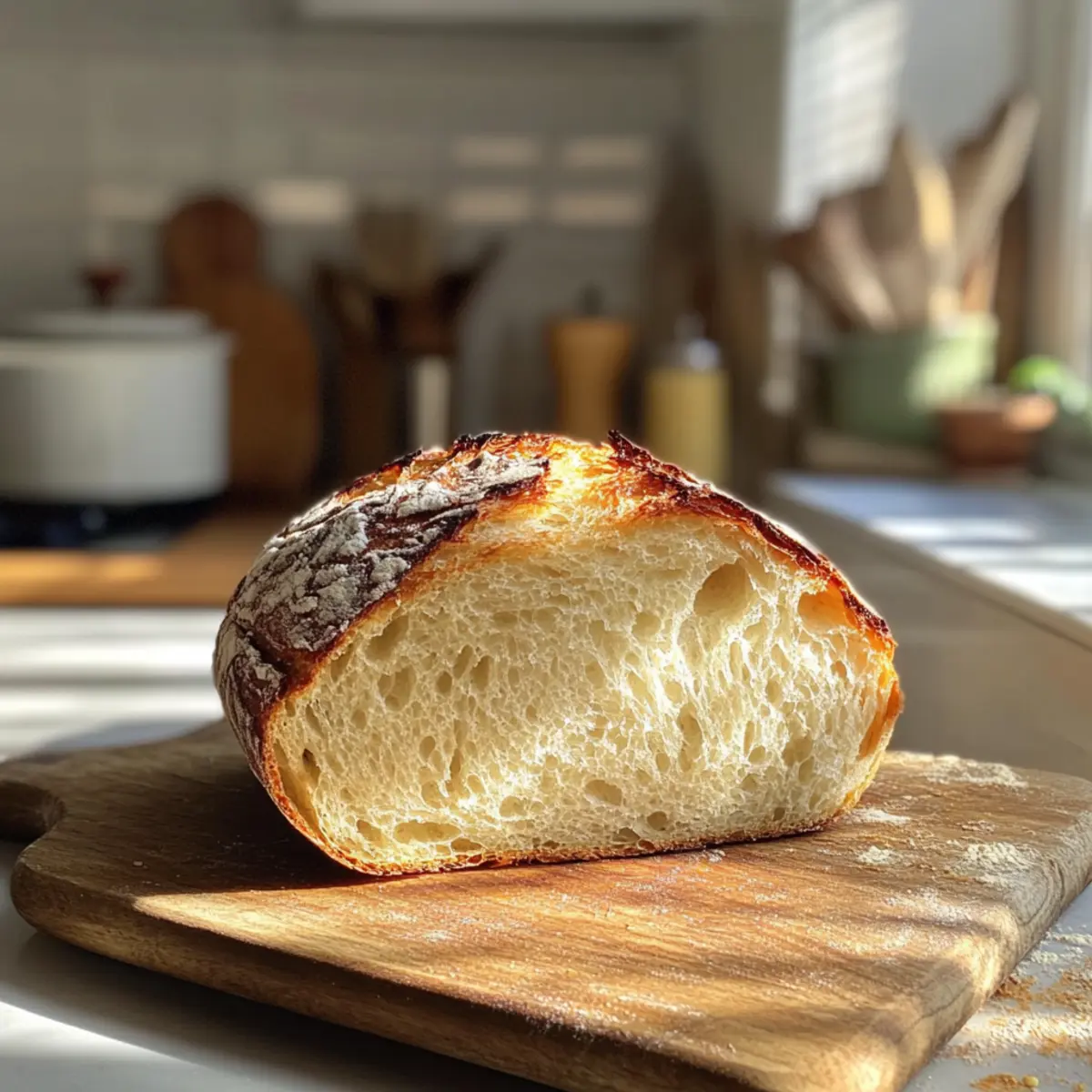
Why Is This Bread So Special?
Homemade Warmth: There’s nothing quite like the satisfaction of baking your own bread, filling your home with a comforting aroma.
Versatile Flavor Boosts: Elevate your loaf with simple variations like fresh herbs or whole wheat flour—delicious options that cater to every palate.
Simple Steps: Crafted for both novice and seasoned bakers, this recipe breaks down the process into easy steps that ensure success every time.
Perfect for Gatherings: This Rustic French Bread Loaf is not just bread; it’s a conversation starter, making it an ideal centerpiece for any family meal or gathering.
Freezer Friendly: Bake ahead and store—this loaf retains its freshness beautifully, perfect for those busy weeknights or impromptu gatherings.
Get ready to indulge in the delightful experience of homemade bread that rivals your local bakery!
Rustic French Bread Loaf Ingredients
For the Dough
- Active Dry Yeast – Helps the bread rise; substitute instant yeast by mixing it directly with flour.
- Warm Water – Activates the yeast and hydrates the dough; ensure it’s not too hot or too cold.
- Granulated Sugar – Feeds the yeast and enhances flavor; crucial for this Rustic French Bread Loaf.
- All-Purpose Flour – Provides structure; feel free to substitute some for whole wheat flour for a nuttier taste.
- Fine Salt – Balances flavor; omit if using salted butter instead.
With these simple yet essential ingredients, you’re well on your way to creating a comforting, homemade loaf that brings joy to your kitchen and your table!
Step‑by‑Step Instructions for Rustic French Bread Loaf
Step 1: Activate the Yeast
Begin by combining 1 packet of active dry yeast, 1 cup of warm water (110°F), and 1 teaspoon of granulated sugar in a mixing bowl. Stir gently to dissolve the yeast and sugar, then let it rest for about 5 minutes. You’ll know it’s ready when the mixture becomes foamy and bubbly, signifying that the yeast is activated.
Step 2: Mix the Dough
Next, add 3 cups of all-purpose flour and 1 teaspoon of fine salt to the yeast mixture. Using a stand mixer fitted with a dough hook, mix on medium-low speed until the dough begins to form a sticky ball. Gradually incorporate any remaining flour as needed until the dough pulls away from the sides of the bowl, which should take about 5 minutes.
Step 3: First Rise
Transfer the dough to a lightly floured bowl, shaping it into a ball to ensure even rising. Cover the bowl with a clean towel and let it rise in a warm area for about 2 hours, or until it has doubled in size. Check for a soft and elastic texture, indicating that your Rustic French Bread Loaf dough is ready.
Step 4: Shape the Dough
Once risen, gently punch down the dough to release air bubbles. Transfer it to a floured surface, and shape it into a smooth ball by tucking the edges under. Allow it to rest for another 30 minutes under an inverted bowl to prevent it from drying out. This resting period allows the gluten to relax, creating a tender crumb.
Step 5: Preheat the Oven
While your dough is rising for the second time, preheat your oven to 220°C (428°F). Place a Dutch oven inside as it heats for about 20 minutes. The preheating step is crucial for achieving that crisp crust on our Rustic French Bread Loaf, so be patient and let the oven heat fully.
Step 6: Score the Dough
After the second rise, carefully transfer the dough onto a piece of parchment paper. Using a sharp knife, make a few shallow slashes across the top of the loaf; this allows steam to escape and helps create a beautiful crust. Ensure your cuts are about 1/4 inch deep, adding to the rustic charm of your loaf.
Step 7: Bake the Bread
Now, carefully remove the preheated Dutch oven from the oven. Lift the parchment paper with the scored dough and place it inside the pot. Cover with the lid and bake for 30 minutes. The steam trapped inside will help form a crisp outer layer for your Rustic French Bread Loaf.
Step 8: Finish Baking
After 30 minutes, remove the lid from the Dutch oven and bake for an additional 10 minutes or until the crust is golden brown. Check the internal temperature with a thermometer; it should reach about 99°C (210°F) for perfect doneness. Your kitchen will be filled with the delightful aroma of freshly baked bread!
Step 9: Cool Before Slicing
Once baked, carefully transfer the loaf to a wire rack to cool for at least 30 minutes before slicing. This cooling period allows the steam to escape, ensuring a perfect texture. Your Rustic French Bread Loaf is now ready to be enjoyed, whether served warm with butter or used for your favorite sandwiches!
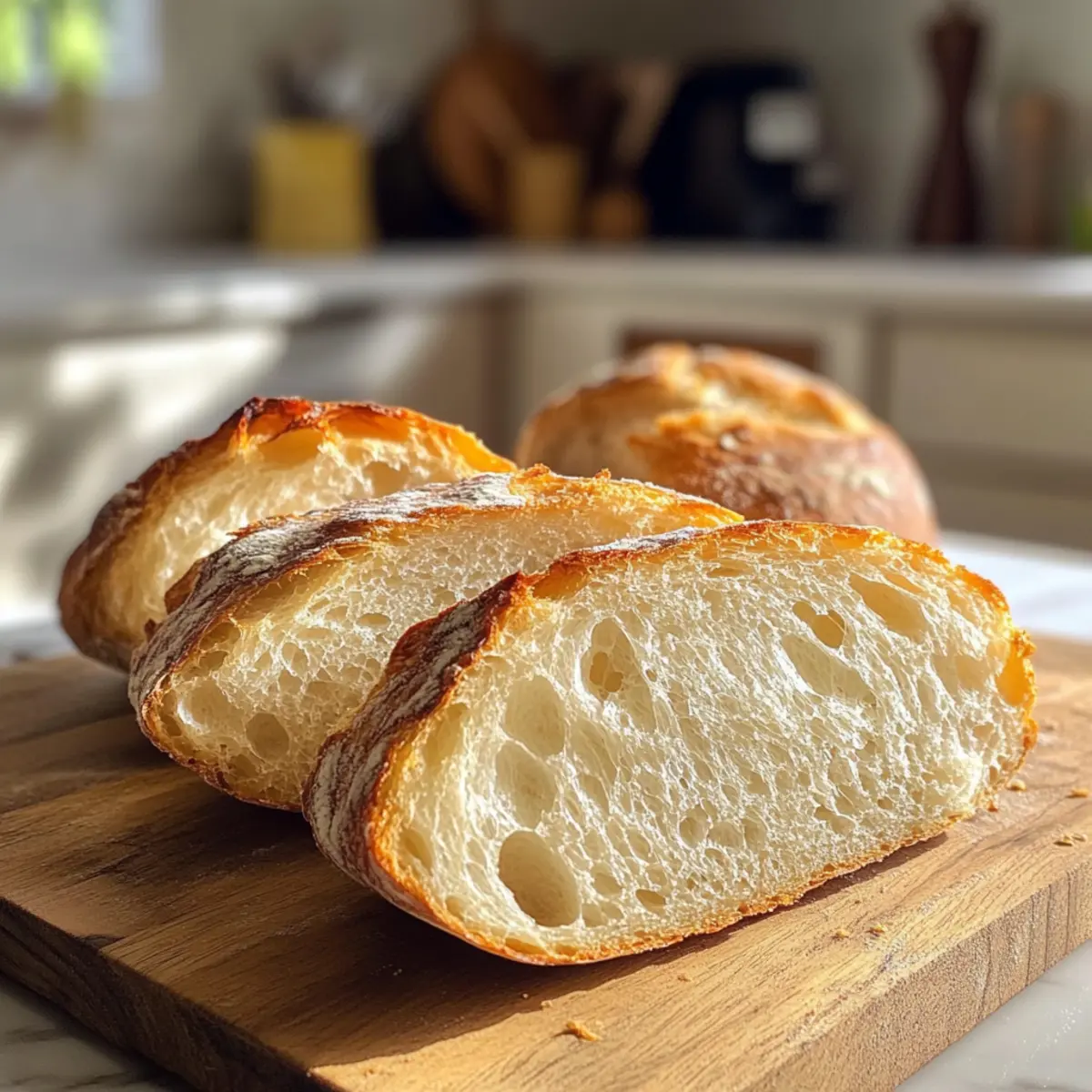
What to Serve with Rustic French Bread Loaf
As the warm aroma of this delicious bread fills your kitchen, let’s explore what to pair it with for a truly memorable meal.
-
Creamy Tomato Soup: The rich, savory flavors of tomato soup perfectly complement the crusty loaf, creating a classic comfort food pairing.
-
Savory Herb Butter: Spread a dollop of herb-infused butter onto warm slices for a burst of flavor that enhances the rustic bread’s aroma.
-
Fresh Green Salad: A bright, crisp salad with vinaigrette adds a refreshing contrast to the warm, hearty bread, balancing your meal beautifully.
-
Cheese Platter: An assortment of cheeses, like brie or aged cheddar, pairs delightfully with the bread, making it an excellent choice for gatherings.
-
Roasted Vegetables: The sweetness of roasted vegetables provides a delightful contrast to the rustic bread, complementing its textures and flavors.
-
Simple Olive Oil Dip: Drizzling some high-quality olive oil with balsamic vinegar creates a delicious dipping sauce that pairs perfectly with warm bread.
-
Homemade Pesto: Its vibrant herby flavor makes every bite of bread burst with freshness, enhancing your overall experience.
-
Fruit Jam: Sweet and tangy jams spread on still-warm slices bring a delightful sweetness that surprises and delights the palate.
-
Wine Pairing: A light-bodied red or a crisp white wine can elevate your meal, enhancing the flavors alongside your warm Rustic French Bread Loaf.
-
Chocolate Cake: For dessert, pair with rich chocolate cake; the contrast between warm bread and sweet chocolate creates a memorable finish to your meal.
Helpful Tricks for Rustic French Bread Loaf
- Yeast Freshness Check: Always ensure your yeast is fresh for the best rise; expired yeast can lead to dense bread.
- Correct Water Temperature: Use water around 110°F; too hot or cold can hinder yeast activation, affecting your Rustic French Bread Loaf.
- Dough Consistency: Aim for a sticky, elastic dough; avoid adding too much flour to ensure a soft, airy end result.
- Second Rise Importance: Don’t rush the second rise; it develops flavor and texture, making your loaf truly delightful.
- Cooling Time: Resist the urge to slice hot bread; cooling on a wire rack enhances texture, ensuring each slice is perfect.
How to Store and Freeze Rustic French Bread Loaf
Airtight Container: Keep your Rustic French Bread Loaf in an airtight container at room temperature for up to 3 days to maintain its freshness and delicious crust.
Freezing: For longer storage, wrap the cooled loaf tightly in plastic wrap, then place it in a freezer bag. It can be frozen for up to 3 months.
Thawing: To enjoy the bread later, thaw it overnight in the fridge or leave it at room temperature for a few hours. For a crispy crust, refresh it in a 350°F (175°C) oven for about 10 minutes.
Reheating: If needed, slice and toast the bread for a delightful crunch while retaining its fluffy interior, making each bite a pleasure!
Rustic French Bread Loaf Variations & Substitutions
Feel free to get creative with your Rustic French Bread Loaf by exploring these delightful variations and substitutions!
-
Whole Wheat Flour: Swap a portion of all-purpose flour for whole wheat for a richer, nuttier flavor that adds depth to your loaf.
-
Fresh Herbs: Enhance the flavor by adding freshly chopped rosemary or thyme into the dough. This simple twist brings a fragrant aroma and a unique taste profile.
-
Cheesy Delight: Sprinkle grated cheese, like Parmesan or Gruyère, over the top of the loaf before baking. This adds a savory richness that your family will adore.
-
Seed Toppings: Before baking, add sesame or poppy seeds for a crunchy texture and nutty flavor that’ll make every bite unforgettable.
-
Olive Oil Swap: For an extra touch of Mediterranean flair, replace some of the water with olive oil. This makes the loaf extra moist and flavorful.
-
Spicy Kick: Add a pinch of crushed red pepper flakes to infuse a subtle heat into your dough, perfect for those who enjoy a fiery touch in their bread.
-
Garlic Infusion: Incorporate minced garlic into your dough for a deliciously savory bread that pairs beautifully with soups or spreads.
-
Sweet Twist: For a hint of sweetness, mix in a tablespoon of honey or maple syrup. The sweet notes will surprise and delight, making this loaf perfect for breakfast!
These variations allow your Rustic French Bread Loaf to shine in many wonderful ways, making it a staple for any meal or occasion. Don’t forget to check out my recipe for Bakery French Gingerbread for another delightful homemade bread experience!
Make Ahead Options
These Rustic French Bread Loaves are perfect for meal prep enthusiasts! You can prepare the dough up to 24 hours in advance. Simply follow the instructions until the first rise, then punch down the dough and cover it tightly with plastic wrap or transfer it to an airtight container before refrigerating. This slow fermentation process enhances the flavor while the dough rests. When you’re ready to bake, shape the dough and let it rise again for about 30 minutes. Lastly, preheat your oven and follow the baking instructions for a delicious, warm loaf that’s just as delightful as if it were freshly made!
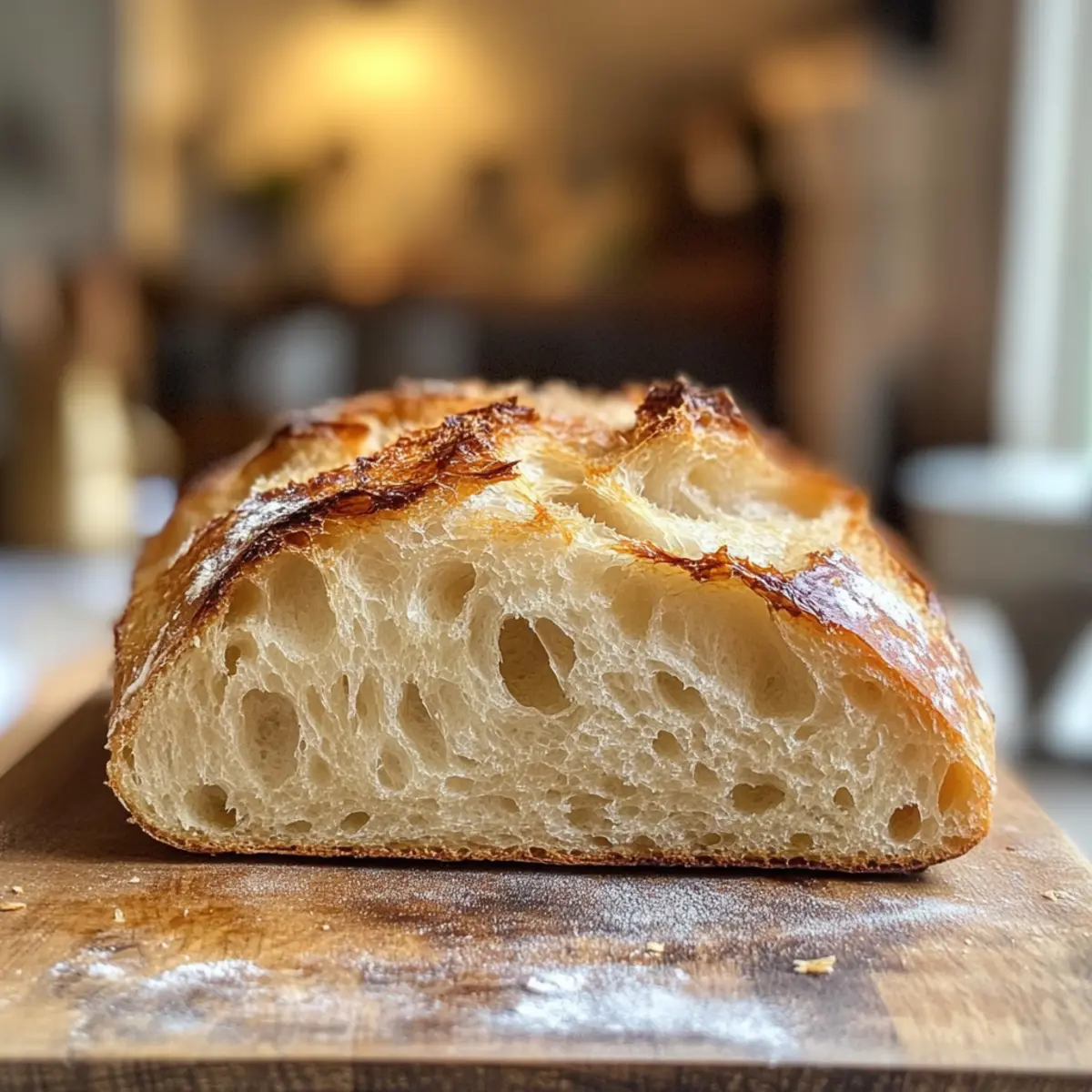
Rustic French Bread Loaf Recipe FAQs
What type of yeast should I use for this bread?
Absolutely! Active dry yeast is the best choice for this Rustic French Bread Loaf, but you can substitute instant yeast by mixing it directly with the flour, skipping the activation step.
How should I store my Rustic French Bread Loaf?
To keep your loaf fresh, store it in an airtight container at room temperature for 3–5 days. If you notice any dark spots or hardening, that’s the bread telling you it’s time to eat it up!
Can I freeze the Rustic French Bread Loaf?
Yes, you can freeze this loaf for up to 3 months! Allow it to cool completely, then tightly wrap it in plastic wrap and place it in a freezer bag. To enjoy it later, thaw it overnight in the fridge or at room temperature, and for the best results, refresh in a preheated oven at 350°F (175°C) for about 10 minutes.
What if my dough doesn’t rise?
Very! If your dough doesn’t rise, first check your yeast’s freshness—if it’s expired, it won’t activate properly. Make sure your water is between 100°F to 110°F. If it’s colder or hotter, it may hinder the activation process. Also, give the dough a warm environment to rise, as temperature plays a crucial role in fermentation.
Are there any dietary considerations I should be aware of?
Absolutely! This Rustic French Bread Loaf is vegetarian-friendly, but if you have allergies, be mindful of the wheat in the flour. I often recommend checking the labels for any additional ingredients, especially when using substitutes like whole wheat flour. Additionally, always keep bread out of reach of pets, as some ingredients may not be suitable for them.
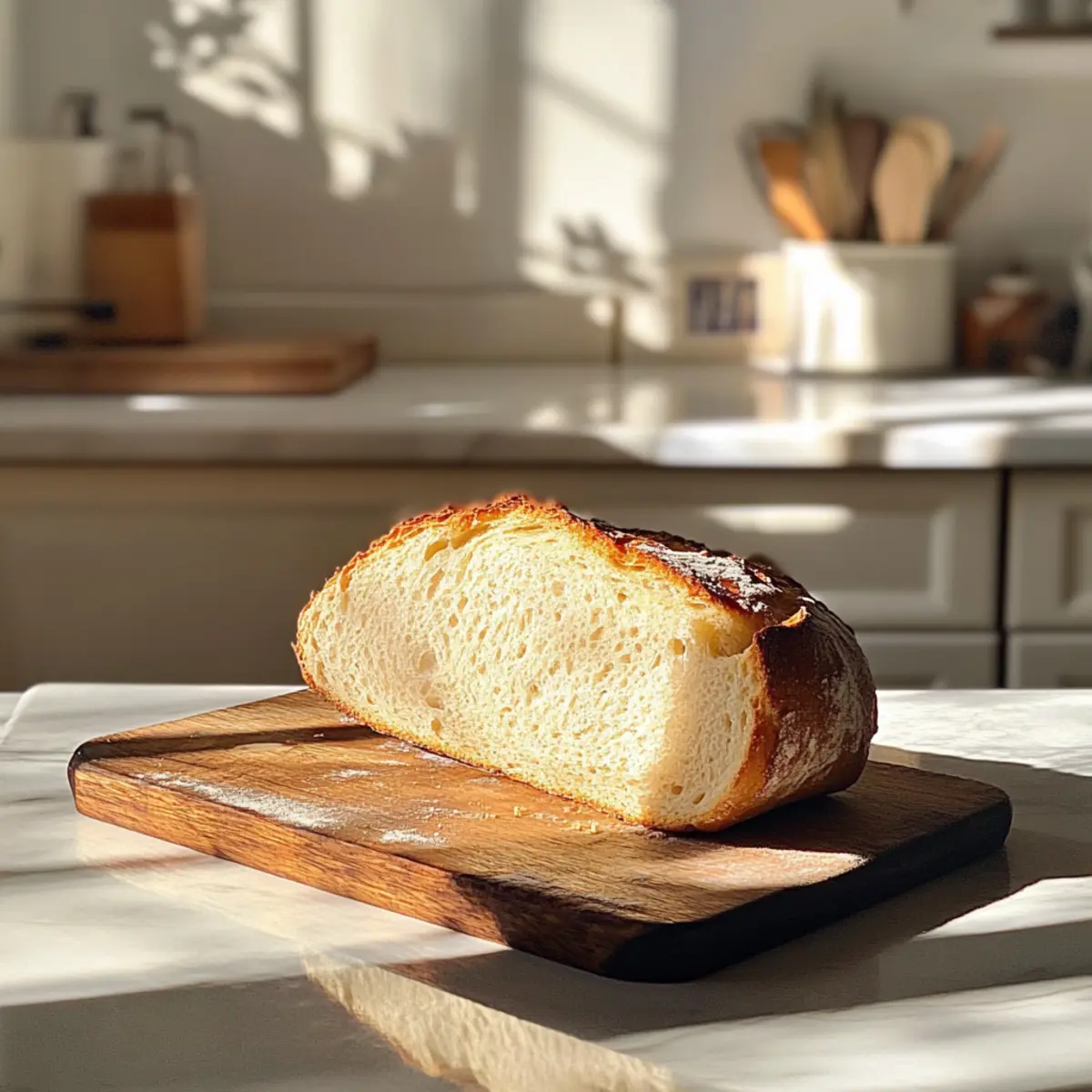
Rustic French Bread Loaf: Warm, Homemade Bliss Awaits
Ingredients
Equipment
Method
- Begin by combining 1 packet of active dry yeast, 1 cup of warm water (110°F), and 1 teaspoon of granulated sugar in a mixing bowl. Stir gently to dissolve the yeast and sugar, then let it rest for about 5 minutes.
- Next, add 3 cups of all-purpose flour and 1 teaspoon of fine salt to the yeast mixture. Using a stand mixer fitted with a dough hook, mix on medium-low speed until the dough begins to form a sticky ball.
- Transfer the dough to a lightly floured bowl, cover with a clean towel and let it rise in a warm area for about 2 hours, or until it has doubled in size.
- Once risen, gently punch down the dough to release air bubbles. Shape it into a smooth ball and allow it to rest for another 30 minutes.
- While the dough is rising for the second time, preheat your oven to 220°C (428°F) and place a Dutch oven inside.
- After the second rise, transfer the dough onto parchment paper and score the top with a sharp knife.
- Carefully remove the preheated Dutch oven, lift the parchment paper with the scored dough, and place it inside. Cover with the lid and bake for 30 minutes.
- After 30 minutes, remove the lid and bake for an additional 10 minutes, until the crust is golden brown.
- Once baked, transfer the loaf to a wire rack to cool for at least 30 minutes before slicing.
Leave a Reply