
As I stood in my kitchen surrounded by vibrant, fresh vegetables, the aroma of the sizzling oil ignited an excitement in me. That’s when I decided to whip up a batch of Korean Vegetable Pancakes (Yachaejeon). These delightful treats are not only a quick and easy solution for those weeknight dinners, but they’re also a flavorful way to indulge in whatever seasonal veggies you have on hand. With their crispy exterior and tender, savory center, these pancakes make for an irresistible snack or side dish—perfect for sharing with family and friends. Plus, whether you’re vegan or just looking for a healthier option, these veggie-packed wonders can easily accommodate your dietary needs. Are you ready to transform your mealtime with these delicious Korean pancakes? Let’s dive in!
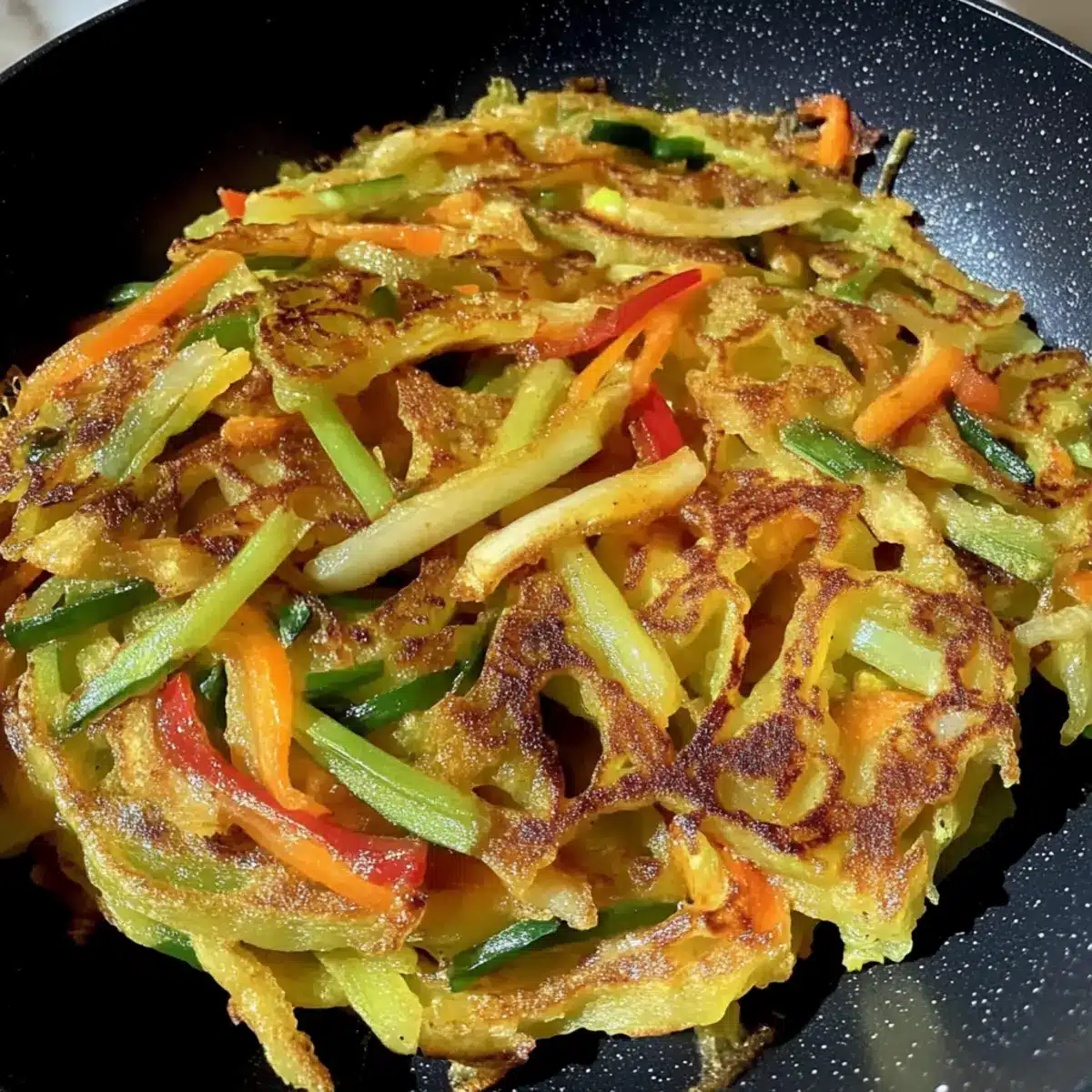
Why Try Korean Vegetable Pancakes?
Flavor Explosion: With a medley of fresh vegetables, these pancakes burst with vibrant taste in every bite.
Quick and Easy: Whip them up in no time, making them perfect for busy weeknights or spontaneous snack cravings.
Vegan Friendly: Naturally plant-based, they cater to vegan diets while still satisfying all palates.
Crowd Pleaser: Serve them at gatherings or family dinners, and watch everyone go back for seconds; they’re simply irresistible!
Versatile Base: Customize with seasonal vegetables or even add a bit of kimchi for an extra flavor kick. For more plant-based inspiration, check out my Korean Milk Cream recipe!
Korean Vegetable Pancakes Ingredients
• Get ready to dive into this colorful dish with all the essential components!
For the Batter
- Flour – Provides structure; substitute with a gluten-free flour blend for a gluten-free option.
- Cornstarch – Adds crispness; no substitution needed.
- Water – Hydrates the batter; adjust as necessary for desired consistency.
- Turmeric – Imparts a golden hue and mild warmth; omit if unavailable.
- Salt – Enhances flavors; use as directed.
- Baking Powder – Helps pancakes rise and become fluffy; ensure it’s fresh for best results.
For the Vegetables
- Green Onions – Adds flavor and color; substitute with chives if needed.
- Red Onion – Contributes sweetness and depth; use shallots as an alternative.
- Carrot – Provides sweetness and crunch; swap with zucchini or bell peppers if desired.
- Red Pepper – Adds color and mild flavor; any sweet bell pepper works.
- Cabbage – Contributes crunch and texture; substitute with shredded kale or spinach.
- Hot Pepper – Adds heat; omit or reduce for less spice.
For Cooking
- Oil for Frying – Needed for cooking; use neutral oils like vegetable or canola; sesame oil can add flavor.
With these delightful components for your Korean Vegetable Pancakes, you’re all set to create a dish that’s as vibrant in taste as it is in color!
Step‑by‑Step Instructions for Korean Vegetable Pancakes
Step 1: Prepare Vegetables
Begin by slicing and chopping the green onions, red onion, carrot, red pepper, cabbage, and hot pepper. Aim for uniform pieces to ensure even cooking. This vibrant mix will not only add flavor but also color to your Korean Vegetable Pancakes. Set the chopped veggies aside in a large bowl while you whip up the batter.
Step 2: Make Batter
In a mixing bowl, whisk together flour, cornstarch, turmeric, salt, and baking powder to combine them well. Gradually add enough water to achieve a smooth batter that’s slightly thick yet pourable—this should take about 3–5 minutes of mixing until there are no lumps. The batter will serve as the delicious base for your Korean Vegetable Pancakes.
Step 3: Mix Vegetables
Carefully fold the prepared vegetables into the batter, ensuring each piece is well-coated with the mixture. This step is crucial as it evenly distributes the vegetables throughout the pancakes, allowing for a delightful burst of flavor in every bite. Set the batter aside for a moment to let the flavors meld together while you prepare to cook.
Step 4: Prepare Dipping Sauce
In a small bowl, mix together soy sauce, rice vinegar, sesame oil, sesame seeds, and a pinch of chili flakes to create a flavorful dipping sauce. Stir until all ingredients are fully blended. This savory sauce will perfectly complement the crispy texture of your Korean Vegetable Pancakes, enhancing their taste even further.
Step 5: Heat Pan
Add about 2 tablespoons of oil to a skillet and heat it over medium heat. After a few minutes, the oil should shimmer, indicating it’s ready for frying. The right temperature is key to achieving that golden, crispy exterior. Make sure not to overcrowd the pan for best results.
Step 6: Cook Pancakes
Pour a ladleful of the veggie batter into the heated pan, spreading it thinly to form a pancake about ½ inch thick. Cook for 3–4 minutes, or until the edges are golden brown and the top bubbles slightly, indicating it’s ready to flip. Carefully turn the pancake over, cooking for another 3–4 minutes on the other side until it’s crispy and golden.
Step 7: Repeat Cooking
Once the first pancake is cooked, transfer it to a plate and keep it warm while you repeat the cooking process with the rest of the batter. Add more oil to the pan as needed for the subsequent batches, making sure each pancake gets the same crispy treatment. Continue until all the batter is used up.
Step 8: Serve
Enjoy your crispy Korean Vegetable Pancakes warm, served alongside the prepared dipping sauce. Their golden-brown, crispy exterior and tender, veggie-packed center will surely delight your family and friends. Relish every bite of this delicious and vibrant dish, perfect for any occasion!
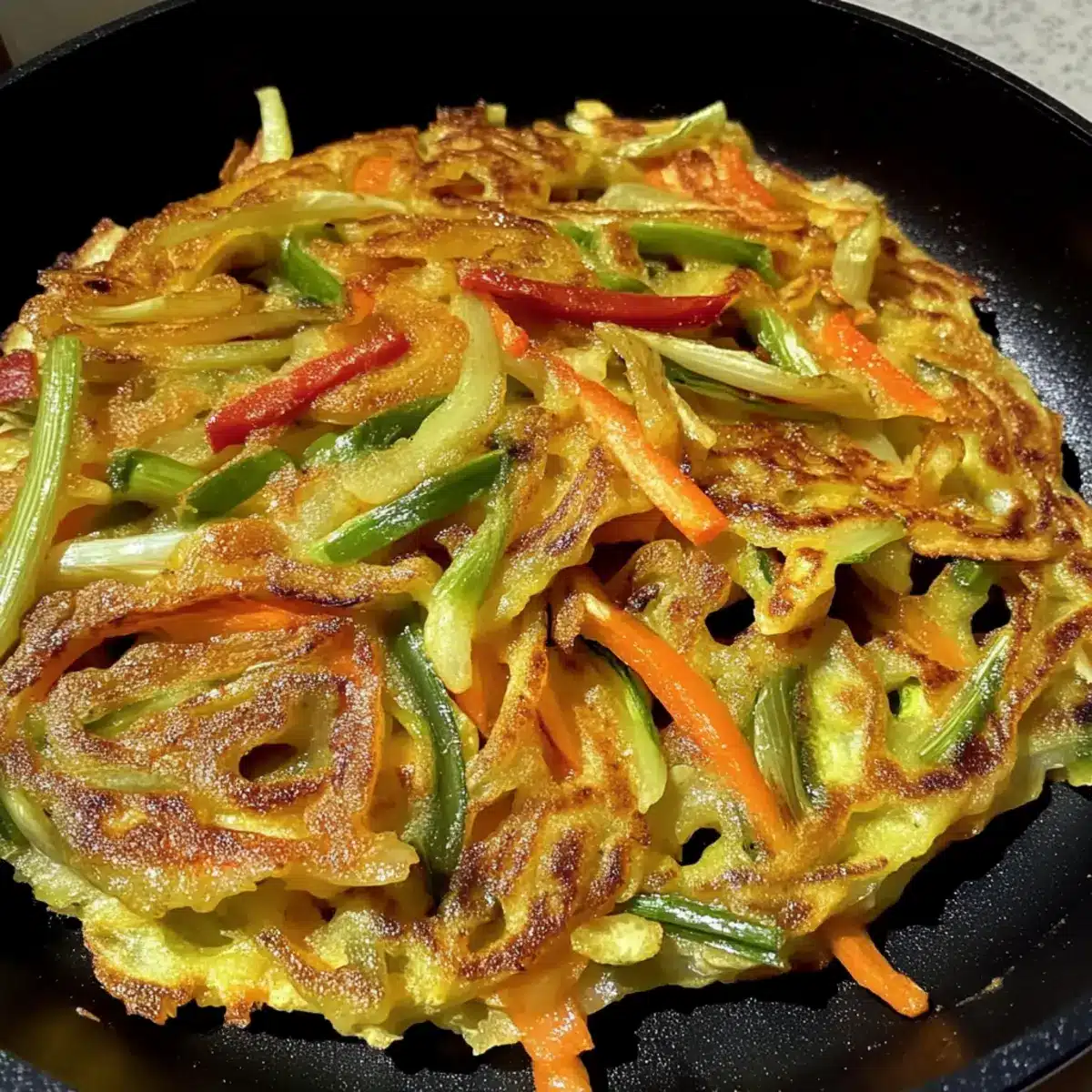
How to Store and Freeze Korean Vegetable Pancakes
Fridge: Store leftovers in an airtight container for up to 2 days. To restore their crispiness, reheat the pancakes in a skillet over medium heat.
Freezer: Place cooked pancakes between layers of parchment paper in an airtight container or freezer bag. They can be frozen for up to 1 month; reheat in the oven or skillet for best results.
Warming: For even reheating, cover with foil in the oven to heat through without drying out the pancakes. Enjoy the delightful taste of your Korean Vegetable Pancakes once again!
What to Serve with Korean Vegetable Pancakes
Savor the delightful crunch of these golden pancakes as you create a vibrant and nourishing meal experience.
- Crispy Gyoza: These fried dumplings offer a satisfying crunch and rich filling, complementing the lightness of the pancakes.
- Sesame Spinach Salad: A fresh salad tossed with sesame oil adds a nutty flavor and bright color, enhancing your meal’s vibrancy.
- Kimchi: This spicy fermented side dish enhances the pancakes with its tangy, zesty flavor, creating a beautifully balanced plate.
- Soy Dipping Sauce: Serve with extra soy sauce seasoned with chili flakes for a punchy dip that elevates each bite of the pancakes.
- Sweet Potato Fries: Crispy, sweet fries provide a great contrast, making for a well-rounded and satisfying meal experience.
- Miso Soup: A warm, comforting bowl brings umami depth to the meal, cleansing the palate between bites of flavorful pancakes.
- Chilled Soba Noodles: Light and refreshing, these noodles tossed in a soy-based dressing offer a delightful texture alongside the pancakes.
- Coconut Rice Pudding: Finish your meal on a sweet note with this creamy dessert, offering a lovely contrast to the savory pancakes.
- Cold Green Tea: Sip on refreshing green tea to cleanse your palate, keeping the focus on the flavors of the Korean Vegetable Pancakes.
Korean Vegetable Pancakes Variations & Substitutions
Feel free to explore these exciting variations that will elevate your Korean Vegetable Pancakes experience!
- Gluten-Free: Substitute regular flour with a gluten-free blend to accommodate dietary needs while maintaining texture and taste.
- Spicy Twist: Add a dash of gochujang or sriracha to the batter for a zesty kick that ignites the taste buds.
- Veggie Swap: Try using seasonal vegetables like sweet potatoes or butternut squash; they provide a touch of sweetness and unique flavor.
- Herb Infusion: Mix in fresh herbs like cilantro or basil to enhance the pancake’s aroma and flavor profile beautifully.
- Cheesy Delight: Sprinkle in some vegan cheese or nutritional yeast for a savory richness that melts perfectly with the veggies.
- Texture Boost: Incorporate a handful of crushed nuts or seeds, like sesame or sunflower seeds, to add an exciting crunch.
- Kimchi Kick: Chop up some kimchi and fold it into the batter for an umami flavor that’s bursting in every bite. For a milder twist, you might enjoy my Roasted Autumn Vegetable recipe for comfort with seasonal flair.
- Sweet Variation: Consider adding diced apples or sweet corn for a touch of sweetness, making these pancakes even more versatile for different occasions.
Your Korean Vegetable Pancakes can effortlessly transform with these mouth-watering substitutions and variations! Enjoy experimenting and finding your perfect combination!
Expert Tips for Korean Vegetable Pancakes
-
Thin Batter: To achieve the crispiest Korean Vegetable Pancakes, make sure to spread the batter thinly in the pan. Thick batter results in soggy centers.
-
Even Cooking: Cook one or two pancakes at a time to maintain steady heat and prevent overcrowding, which can lead to inconsistent frying.
-
Fresh Veggies: Use the freshest vegetables you can find; they contribute essential texture and flavor. Avoid limp veggies; their water content can make pancakes soggy.
-
Adjust Water: If your batter appears too thick, gradually add a little more water. A smooth, pourable consistency helps create beautiful, crispy pancakes.
-
Try Varieties: Don’t hesitate to experiment! Incorporate seasonal vegetables or even kimchi for an exciting twist. Each variation brings a unique flavor to your Korean Vegetable Pancakes.
-
Perfect Dipping Sauce: Enhance the flavor dynamic by using additional ingredients in your dipping sauce, such as minced garlic or ginger, to further elevate your meal experience.
Make Ahead Options
These Korean Vegetable Pancakes (Yachaejeon) are perfect for meal prep enthusiasts! You can chop the vegetables and make the batter up to 24 hours in advance, storing them separately in the refrigerator. To maintain the freshness and crunch, toss the veggies in a bit of lemon juice before storing. When you’re ready to cook, simply combine the prepped vegetables with the batter and fry them as directed. For optimal crispiness, cook the pancakes right before serving, as they are just as delicious freshly made. If needed, you can refrigerate the cooked pancakes for up to 2 days and quickly reheat them in a skillet for that desirable crunch!
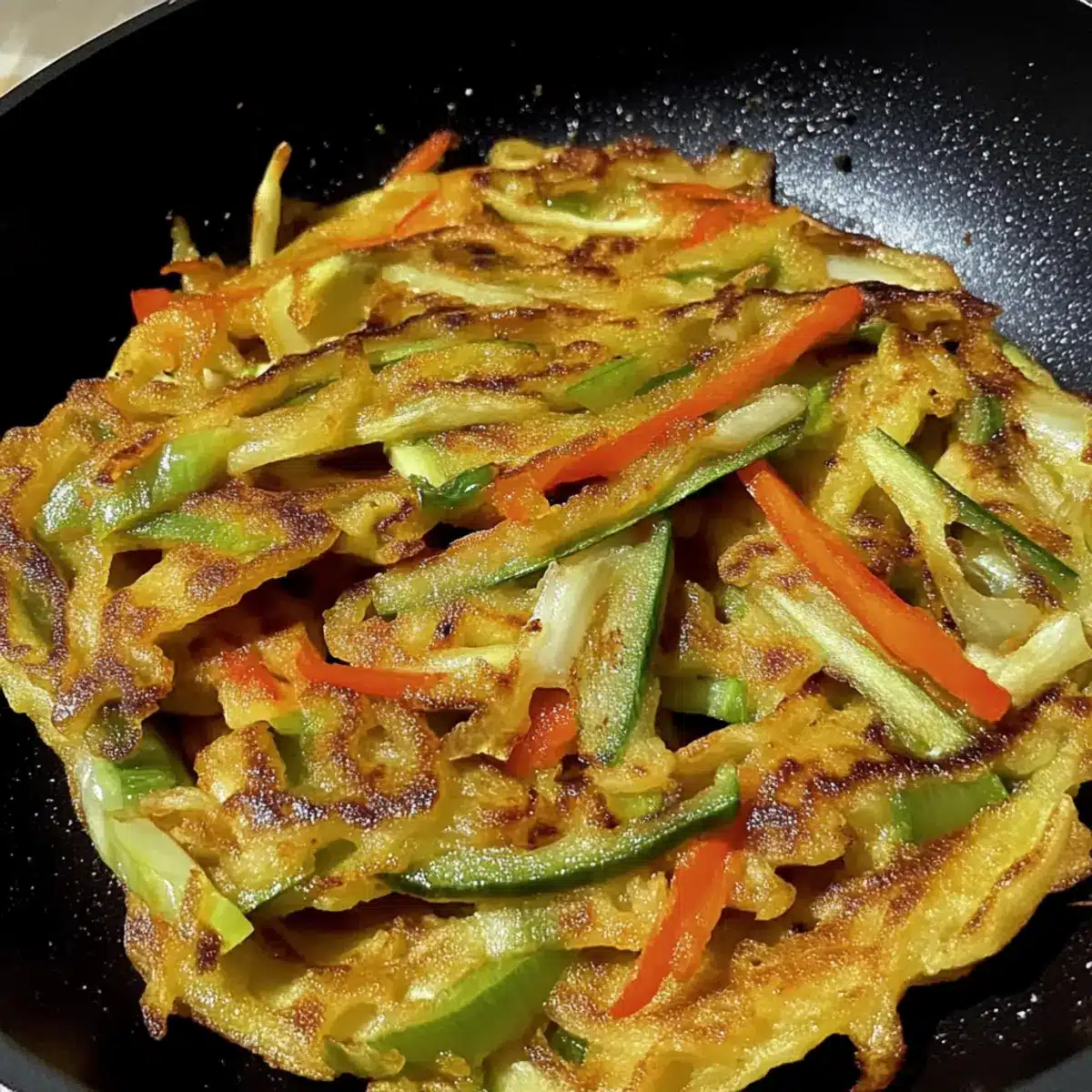
Korean Vegetable Pancakes Recipe FAQs
How do I select the best vegetables for my pancakes?
Absolutely! Look for fresh, vibrant vegetables free from any blemishes or soft spots. Choose firm onions, crisp carrots, and vibrant peppers for the best texture and flavor. If you’re using cabbage, it should be crunchy and bright in color. Seasonal vegetables like zucchini or bell peppers can also complement the mix nicely. Freshness matters, as wilted veggies can yield soggy pancakes!
What’s the best way to store leftover pancakes?
You’re in luck! For short-term storage, place leftover pancakes in an airtight container in the fridge for up to 2 days. To keep them crispy, reheat in a skillet over medium heat, flipping once. If you’re looking at longer storage, follow these steps:
- Place parchment paper between layers of cooked pancakes.
- Store them together in an airtight container or freezer bag.
- They’ll freeze beautifully for up to 1 month! When ready to enjoy, reheat them from frozen in an oven or skillet, ensuring they regain their crispy texture.
Can I freeze Korean Vegetable Pancakes?
Very much so! Freezing is an excellent way to preserve your delights. Just ensure you follow this process: after cooking, let the pancakes cool completely. Then, place them between sheets of parchment paper in a zip-top freezer bag or container. They can stay fresh for up to 1 month. When you’re ready to enjoy them, reheat in the oven or skillet for the crispy finish you love!
What should I do if my pancakes are soggy?
Don’t worry; there’s always a solution! If your pancakes turn out soggy, it might be due to thick batter or overcrowding in the pan. Try making your batter a bit thinner next time by adding a touch more water. When cooking, stick to one or two pancakes at a time to maintain even heat. If they are already cooked, you can briefly pan-fry them again to revive their crispiness.
Are there any dietary considerations for my pancakes?
Absolutely! These Korean Vegetable Pancakes are naturally vegan and vegetarian, making them a perfect choice for various diets. If you’re considering allergies, keep in mind that they contain flour and potentially gluten, so opt for a gluten-free flour blend if needed. Always check the labels on sauces and additional ingredients, especially if you’re accommodating specific dietary needs!
Can I modify the vegetables based on what I have on hand?
Yes, indeed! The beauty of these pancakes lies in their versatility. Feel free to incorporate any vegetables you have available. Zucchini, sweet potatoes, or even mushrooms can be excellent alternatives. The key is to ensure they are cooked until slightly tender before adding them to the batter for that perfect texture! Don’t hesitate to mix it up and create your own unique version of Korean Vegetable Pancakes!
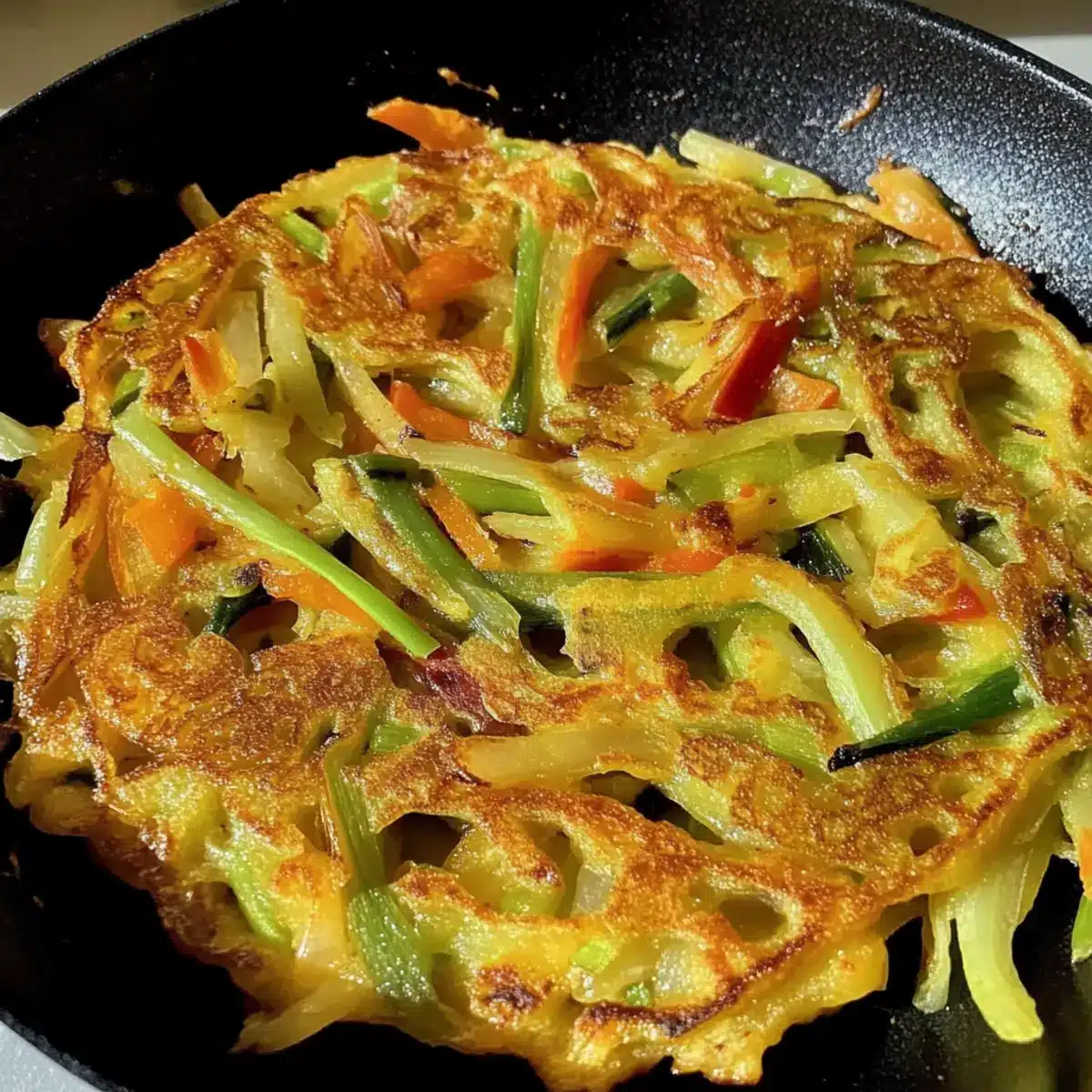
Crispy Korean Vegetable Pancakes You’ll Crave Daily
Ingredients
Equipment
Method
- Prepare Vegetables: Slice and chop green onions, red onion, carrot, red pepper, cabbage, and hot pepper. Set aside.
- Make Batter: Whisk together flour, cornstarch, turmeric, salt, and baking powder. Gradually add water for a smooth batter.
- Mix Vegetables: Fold chopped vegetables into the batter until coated.
- Prepare Dipping Sauce: Mix soy sauce, rice vinegar, sesame oil, sesame seeds, and chili flakes in a small bowl.
- Heat Pan: Add oil to skillet over medium heat until shimmering.
- Cook Pancakes: Pour a ladleful of batter into the pan for a pancake. Cook for 3-4 minutes, then flip and cook until golden.
- Repeat Cooking: Continue with remaining batter, adding oil as needed.
- Serve: Enjoy the pancakes warm with dipping sauce.
Leave a Reply