
On a particularly hectic Wednesday evening, I found myself staring blankly at my pantry, battling the all-too-familiar urge for takeout. That’s when I stumbled upon the ultimate solution: my homemade Chinese Curry Chicken. This dish is not only bursting with the comforting essence of tender chicken and vibrant veggies, but it also comes together in just 25 minutes—perfect for busy nights! What’s even better is that this recipe is gluten-free adaptable, ensuring everyone can enjoy that cherished takeout flavor without a hitch. So, if you’re on the lookout for a speedy dinner that delivers a delightful culinary escape into cozy, satisfying territory, keep scrolling. You won’t want to miss this flavorful journey!
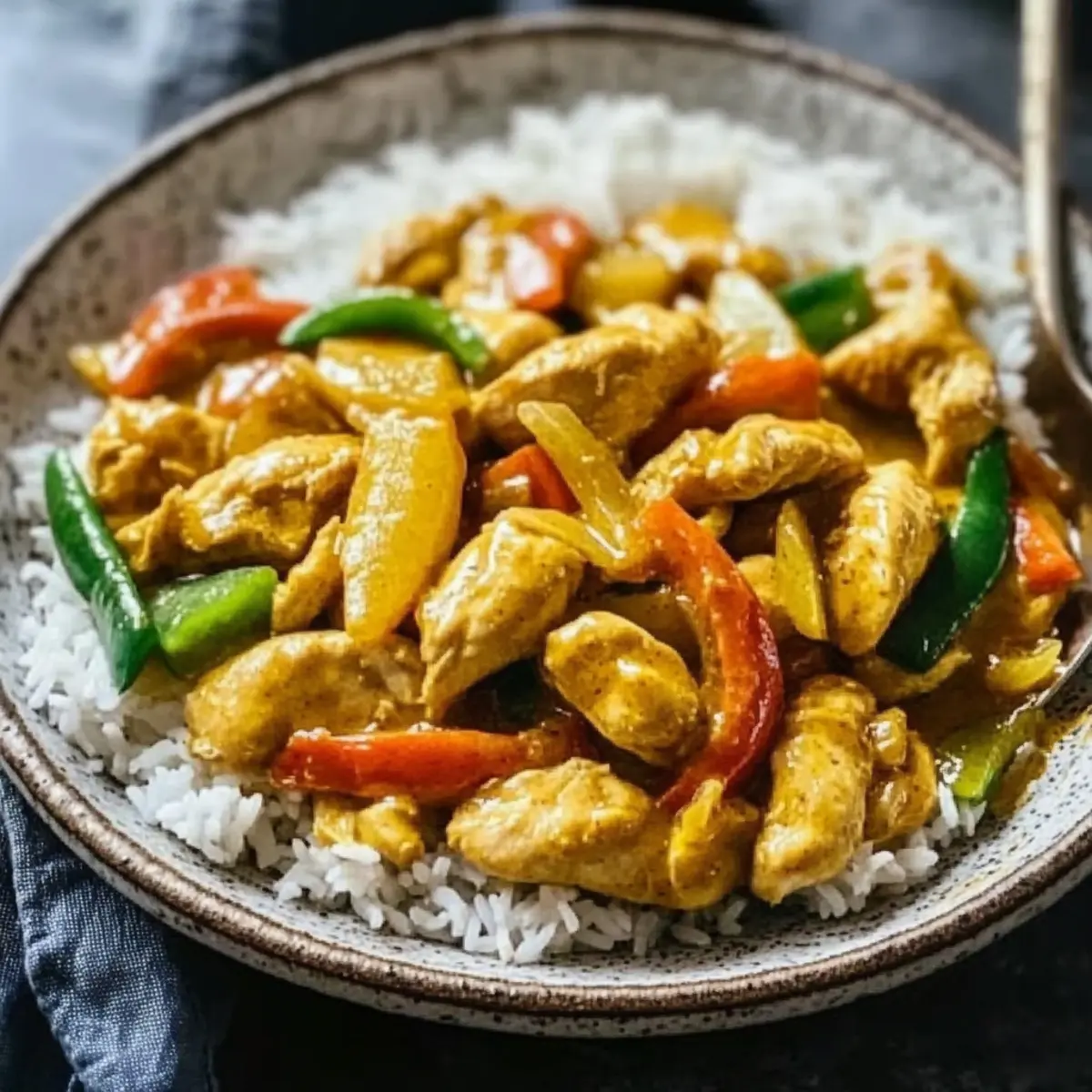
Why is Chinese Curry Chicken a Must-Try?
Speedy Preparation: In just 25 minutes, you can whip up this delightful dish, making it ideal for bustling weeknights.
Gluten-Free Friendly: Easily adaptable to gluten-free, so you can satisfy all dietary needs without sacrificing taste!
Flavor Explosion: The vibrant yellow curry and fresh veggies deliver an irresistible comfort food experience, reminiscent of your favorite takeout spot.
Customizable Goodness: Feel free to swap in seasonal vegetables or even tofu for a vegetarian twist that everyone’s bound to love.
Serve it over freshly cooked rice or noodles for a satisfying meal that leaves no one hungry! If you’re a fan of effortless weeknight meals, you might also enjoy recipes like Roast Chicken Fennel or Greek Chicken Gyro.
Chinese Curry Chicken Ingredients
• Get ready for a flavorful experience!
For the Chicken
- Chicken Breast – Tender protein base; for more flavor, use boneless chicken thighs.
- Salt – Enhances flavor and is essential for marinating.
- Shaoxing Wine (or Dry Sherry) – Adds depth of flavor; substitute with apple cider vinegar for a non-alcoholic version.
- Cornstarch – Tenderizes chicken and helps thicken the sauce.
For the Curry Sauce
- Curry Powder – Main spice providing a mild flavor; S&B Japanese curry powder is recommended. For more heat, try using Madras curry powder.
- Turmeric Powder – Offers vibrant color alongside health benefits.
- Chili Flakes – Optional for added heat; adjust according to your spice preference.
- Peanut Oil (or Vegetable Oil) – Cooking fat that adds richness to the dish.
For the Vegetables
- White Onion – Aromatic base; can be swapped for yellow onion if preferred.
- Ginger – Adds warmth and flavor; fresh ginger is ideal for the best taste.
- Green Bell Pepper – Provides crunch and color; consider using red or yellow for a sweeter touch.
- Carrot – Adds sweetness and texture; snap peas can be a great substitute if you want a different crunch.
For the Broth and Flavor Enhancers
- Low-Sodium Chicken Broth – Adds depth; use vegetable broth to make a vegetarian option.
- Sugar – Balances flavors; add based on personal taste.
- Oyster Sauce – It provides an umami kick; ensure it’s gluten-free if necessary.
Get your ingredients ready, and let’s dive into this delicious Chinese Curry Chicken recipe that’s perfect for any night of the week!
Step‑by‑Step Instructions for Chinese Curry Chicken
Step 1: Marinate the Chicken
In a medium bowl, combine diced chicken breast with a pinch of salt, Shaoxing wine, and cornstarch. Mix thoroughly to ensure the chicken is evenly coated, letting it sit for about 10 minutes while you prepare the rest of your ingredients. This marination will tenderize the chicken and add depth to the flavor of your Chinese Curry Chicken.
Step 2: Prepare the Vegetables
Heat a large skillet or wok over medium-high heat and add 2 tablespoons of peanut oil. Once the oil shimmers, toss in sliced white onion and stir-fry for 1 minute until soft and fragrant. Quickly follow by adding minced ginger, diced green bell pepper, and julienned carrot, stir-frying everything for an additional 2-3 minutes until the vegetables are slightly tender but still vibrant.
Step 3: Create the Curry Sauce
Pour in 1 cup of low-sodium chicken broth, and sprinkle in sugar, curry powder, turmeric, and a dash of chili flakes to your pan. Stir well to combine all the elements and bring the mixture to a robust boil. Once boiling, reduce the heat to low and let it simmer gently for about 2 minutes, allowing the flavors to meld beautifully.
Step 4: Cook the Chicken
Add the marinated chicken into the simmering sauce, spreading it out evenly in the pan. Cook for approximately 5-7 minutes, stirring occasionally, until the chicken is fully cooked through, turns white, and absorbs the vibrant color of the sauce. The sauce should thicken and coat the chicken nicely by the end of this period.
Step 5: Plate and Serve
Once the chicken is cooked and the sauce is lovely and thick, remove the skillet from heat. Serve your delicious Chinese Curry Chicken over a fluffy bed of steamed rice or noodles. Garnish with additional chili flakes or scallions if desired, and savor the comforting flavors of your homemade dish that rivals any takeout!
Make Ahead Options
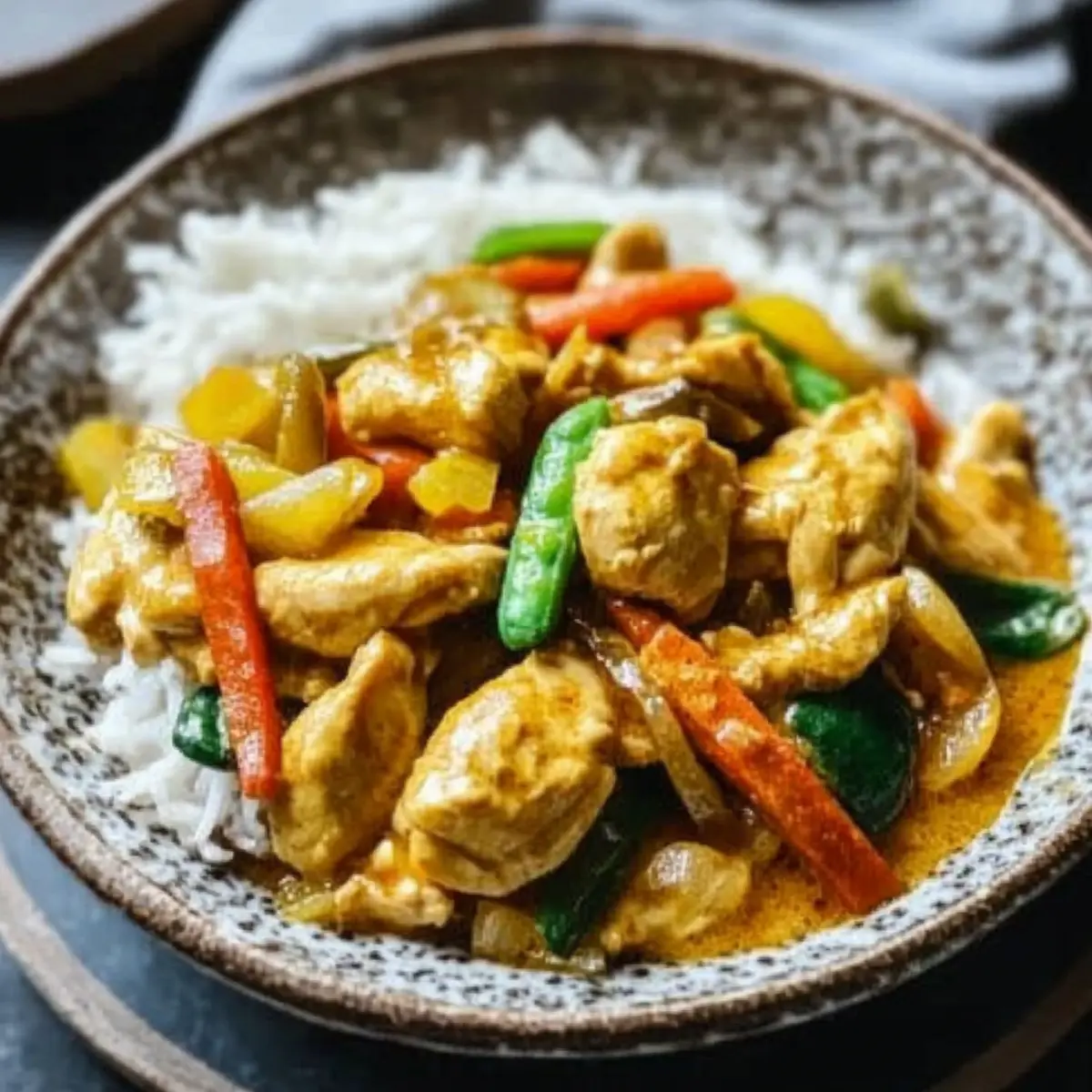
Chinese Curry Chicken is a fantastic choice for meal prep! You can marinate the chicken and chop your vegetables up to 24 hours in advance; simply store them in the refrigerator in airtight containers to maintain their freshness. To ensure the quality of your meal, wait to mix the ingredients until you’re ready to cook. When you’re ready to serve, heat the oil, sauté the vegetables, add the broth, and cook the marinated chicken until it’s fully cooked, which takes about 5-7 minutes. This way, you’ll have a delicious homemade chicken dinner with minimum stress on busy weeknights!
Expert Tips for Chinese Curry Chicken
-
Cut Chicken Thinly: Ensure you slice the chicken against the grain for optimal tenderness and faster cooking.
-
Don’t Overcrowd the Pan: Cook the chicken in batches if necessary to prevent steaming and allow even browning.
-
Adjust Spice Levels: Customize the heat by varying the amount of chili flakes, accommodating everyone’s spice tolerance in your family!
-
Use Fresh Ingredients: Fresh ginger and high-quality curry powder make a world of difference in achieving an authentic flavor in your Chinese Curry Chicken.
-
Simmer Gently: Allow the sauce to simmer just enough—overcooking can lead to a thick, overly concentrated sauce that masks other flavors.
-
Leftover Usage: Don’t waste any leftovers—transform them into a delightful stir-fry or soup for a quick lunch the next day!
Chinese Curry Chicken Variations & Substitutions
Feel free to tweak this delightful dish to suit your taste buds and dietary needs!
-
Tofu Swap: Substitute chicken with extra-firm tofu for a delicious vegetarian version. Simply cube the tofu and sauté it until golden before adding to the sauce.
-
Vegetable Medley: Use a variety of seasonal vegetables such as zucchini, snow peas, or broccoli to add extra nutrition and color. The more, the merrier!
-
Coconut Cream: For a creamier sauce, stir in a splash of coconut milk during the last few minutes of cooking. This twist brings a tropical vibe to your dinner.
-
Spice it Up: If you’re craving a kick, add a tablespoon of sriracha or a few slices of fresh chili for a fiery finish. Just imagine that zing with every bite!
-
Quinoa Base: Swap rice with quinoa for a protein-packed alternative. This will add a nutty flavor and make your meal even heartier.
-
Gluten-Free Sauce: Make sure to choose gluten-free oyster sauce or substitute it with additional soy sauce. A pinch of sugar enhances the flavor just right!
-
Baked Version: For a healthier twist, bake the chicken and veggies in the oven tossed in curry spices instead of stir-frying. It not only creates a unique texture but also melds the flavors beautifully.
If you enjoy exploring familiar yet exciting flavors, you might also want to try Cheesy Garlic Chicken or the delightful Vietnamese Lemongrass Chicken.
What to Serve with Chinese Curry Chicken
Elevate your meal experience by pairing delightful dishes that complement the vibrant flavors of this comforting curry.
- Fluffy White Rice: Perfect for soaking up the delicious sauce, providing a neutral base that enhances the overall dining experience.
- Steamed Broccoli: Offers a crisp texture and vibrant color, balancing the richness of the curry while packing in nutrients.
- Crispy Spring Rolls: The contrasting crunch and savory filling create an inviting appetizer that gets everyone excited for the main dish.
- Coconut Milk Rice: Infusing your rice with coconut milk adds a subtle sweetness that beautifully complements the spicy notes of the curry.
- Fresh Cucumber Salad: Crisp cucumbers dressed in a light vinegar sauce add a refreshing contrast that cleanses the palate between bites.
- Pineapple Fried Rice: A fruity twist that brings a sweet-savory dimension to your meal, enhancing the overall flavor profile beautifully.
- Chili Garlic Noodles: A side of these noodles introduces a fiery kick, balancing out the mellow flavors of the curry while offering comfort.
- Ginger Tea: Warm and soothing, this drink complements the spice of the curry while adding aromatic layers to your meal experience.
- Mango Sticky Rice: Satisfy your sweet tooth with this delightful dessert that pairs perfectly with the curry’s bold flavors, providing a lovely finish.
How to Store and Freeze Chinese Curry Chicken
-
Fridge: Store leftovers in an airtight container for up to 3 days. Reheat gently in a skillet over medium heat until warmed through to maintain flavor and texture.
-
Freezer: For longer storage, freeze Chinese Curry Chicken in an airtight container for up to 2 months. Thaw in the fridge overnight before reheating.
-
Reheating: When ready to enjoy, reheat on the stove with a splash of chicken broth to revive the sauce’s richness. Stir occasionally until heated completely.
-
Storage Tip: Make sure to let the chicken cool completely before sealing for storage to prevent condensation, which can alter texture and flavor.
Chinese Curry Chicken Recipe FAQs
What kind of chicken should I use for Chinese Curry Chicken?
I recommend using boneless chicken breasts for tenderness and lean protein. However, boneless chicken thighs can add more flavor and juiciness to your dish.
How long can I store leftover Chinese Curry Chicken?
You can store leftovers in an airtight container in the refrigerator for up to 3 days. Just make sure to keep it covered to preserve its flavors and prevent it from drying out.
Can I freeze Chinese Curry Chicken?
Absolutely! You can freeze Chinese Curry Chicken in an airtight container for up to 2 months. To reheat, thaw it in the refrigerator overnight and warm it gently on the stove with a splash of chicken broth to bring back its sauciness.
What should I do if my sauce is too thick?
If you find your sauce has thickened too much, simply add a little more chicken broth or water while stirring it over gentle heat. This will thin it out without losing flavor. Aim for a sauce that coats the back of a spoon but is still pourable.
Are there any gluten-free alternatives for the sauces in this recipe?
Yes, absolutely! Ensure that you use gluten-free oyster sauce and verify that your chicken broth is labeled gluten-free as well. You can swap out regular soy sauce with tamari, which is a great gluten-free option.
Can I make this dish vegetarian?
Definitely! Substitute the chicken with firm tofu or chickpeas for a protein boost, and use vegetable broth instead of chicken broth. You can also enrich the dish by adding more vegetables like zucchini or snap peas!
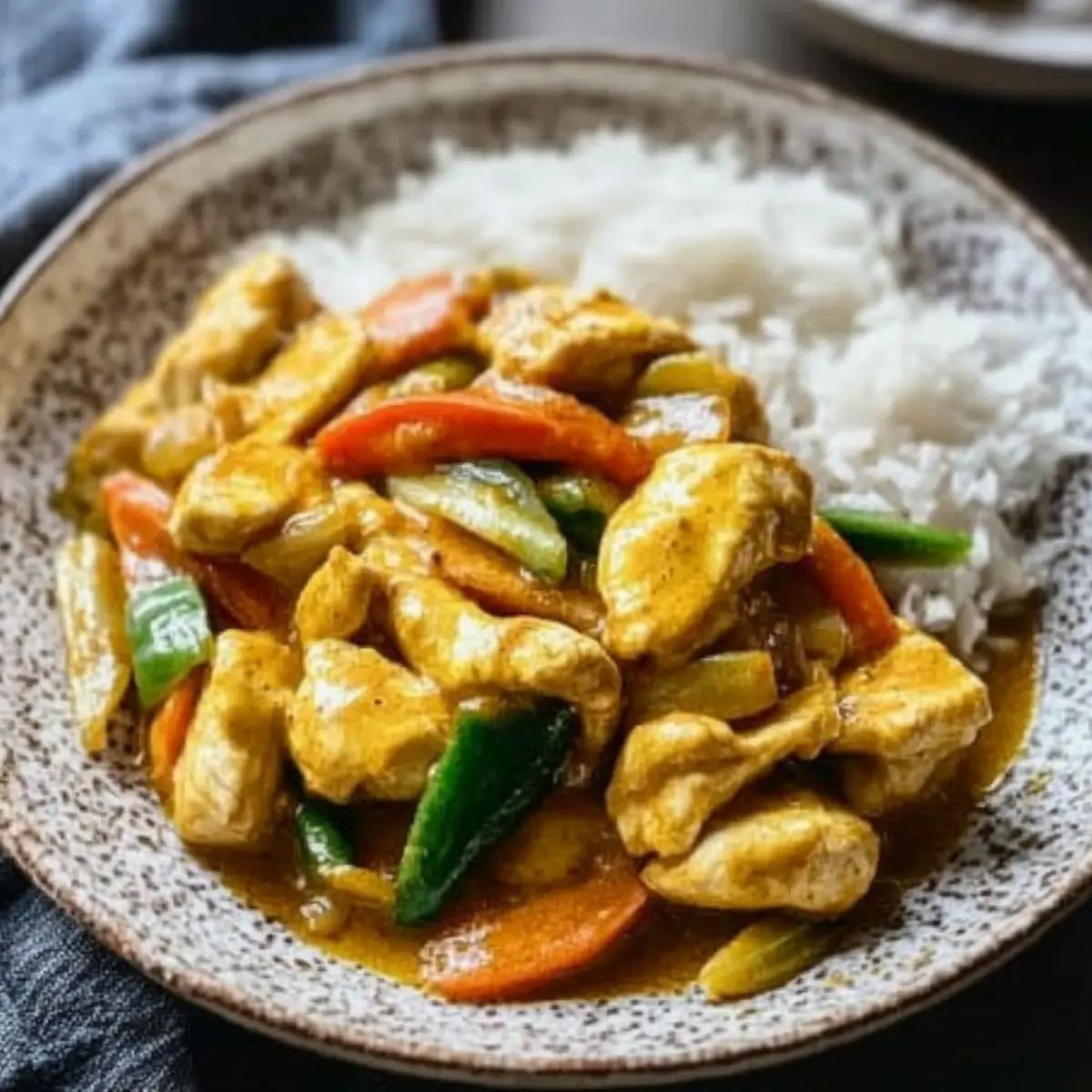
Delicious Chinese Curry Chicken Ready in Just 25 Minutes
Ingredients
Equipment
Method
- Marinate the Chicken: Combine diced chicken breast with salt, Shaoxing wine, and cornstarch in a medium bowl. Let it sit for 10 minutes.
- Prepare the Vegetables: Heat a skillet over medium-high heat with peanut oil. Stir-fry white onion for 1 minute, then add ginger, bell pepper, and carrot. Cook for 2-3 minutes until vegetables are tender.
- Create the Curry Sauce: Add chicken broth, sugar, curry powder, turmeric, and chili flakes to the pan. Bring to boil, then reduce heat and simmer for 2 minutes.
- Cook the Chicken: Add marinated chicken to the sauce and cook for 5-7 minutes, stirring occasionally, until chicken is cooked through and sauce thickens.
- Plate and Serve: Serve over steamed rice or noodles, garnished with chili flakes or scallions if desired.
Leave a Reply