
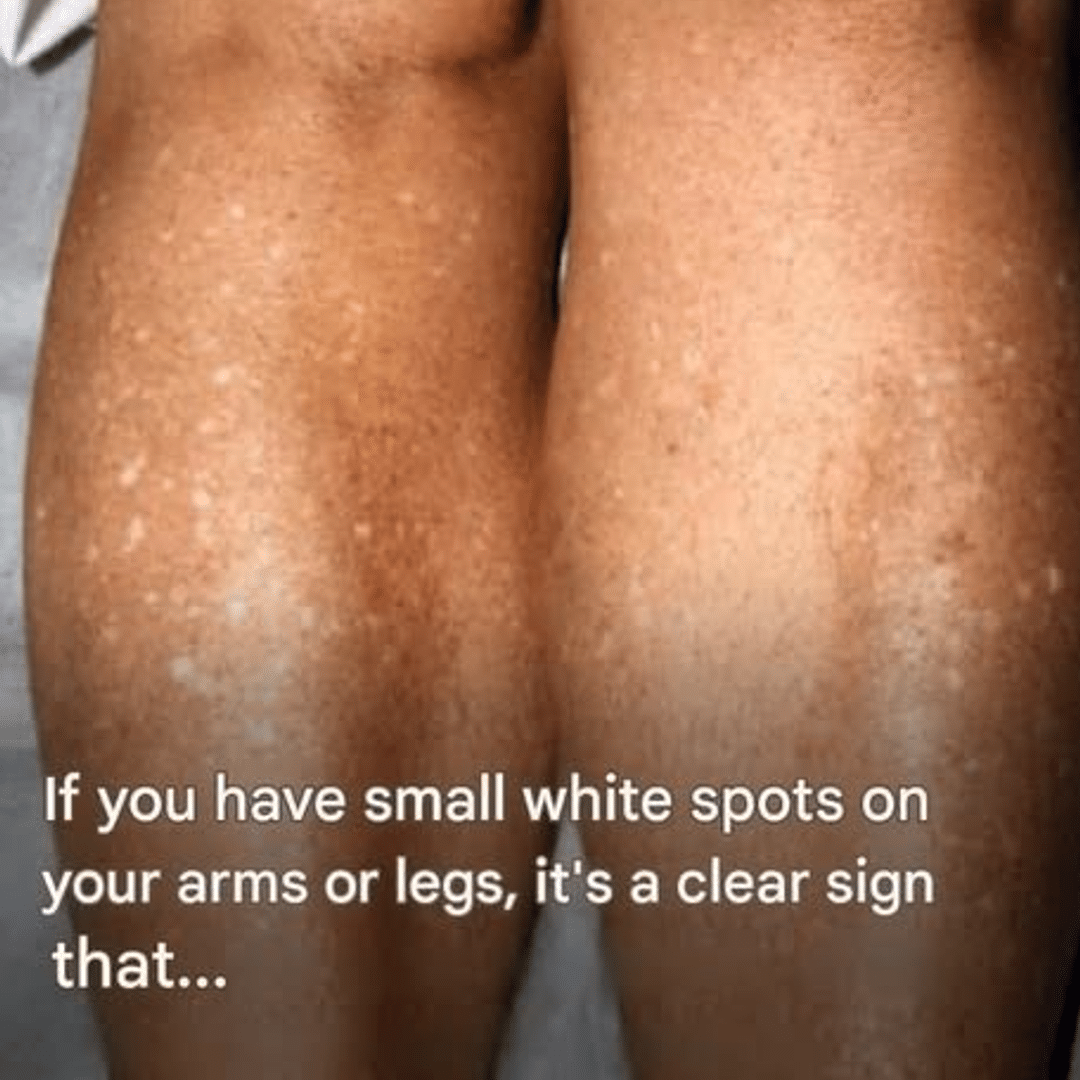
Why do I get white spots on my skin in the summer and how can I treat them?
A dermatologist answers . ;;;
Before embarking on any treatment plan, it’s wise to consult a dermatologist. They can provide personalized advice and rule out any other potential skin concerns. With the right care and attention, you can enjoy a summer free from worries about unwanted white spots on your skin!
Now that we understand the common conditions that lead to white spots on the skin, particularly during the warmer months, it’s important to delve deeper into prevention, home remedies, and when to seek further medical treatment. Let’s break down each of these aspects in more detail.
Understanding Tinea Versicolor
Tinea Versicolor, also known as Pityriasis Versicolor, is a common skin condition that affects many people, especially in humid environments. This condition is caused by an overgrowth of a type of yeast that lives on the skin. Normally, this yeast is harmless, but certain environmental factors, such as hot weather, high humidity, and excessive sweating, can contribute to its growth. It is most prominent in teenagers and young adults.
Symptoms and Identification:
The hallmark of Tinea Versicolor is the appearance of small, discolored patches of skin, which can range from white to tan or pink. These patches are often more noticeable after sun exposure when the surrounding skin becomes darker. They typically do not cause any discomfort, such as itching or pain.
Diagnosis:
A dermatologist can easily diagnose Tinea Versicolor through a physical examination and may use a Wood’s lamp—a special type of light—to reveal the fungal infection. A skin scraping can also be conducted to confirm the presence of the yeast.
Treatment Options for Tinea Versicolor
When it comes to treating Tinea Versicolor, several effective options are available:
- Over-the-Counter Antifungal Treatments:
– Selenium Sulfide: This can be found in various shampoos and lotions. Applying a selenium sulfide shampoo evenly to the affected area and leaving it on for about 10 minutes before rinsing can significantly reduce the fungal overgrowth.
– Ketoconazole: Another effective antifungal treatment, ketoconazole can be used in both cream and shampoo form.
– Zinc Pyrithione: This active ingredient is found in many anti-dandruff shampoos and can also be effective in treating Tinea Versicolor.
- Prescription Treatments:
If over-the-counter options don’t yield satisfactory results, a dermatologist may prescribe stronger topical treatments or oral antifungal medications. Common prescriptions include:
– Fluconazole or Itraconazole: These are oral antifungal medications that can help in more severe cases. They may lead to a faster resolution than topical treatments alone.
- Lifestyle and Maintenance:
After treatment, it’s essential to incorporate a few practices to prevent the recurrence of Tinea Versicolor:
– Keep the skin dry: Yeast thrives in moist conditions, so keeping areas prone to sweating dry can help minimize future breakouts.
– Exfoliation: Gentle exfoliation can help remove dead skin cells, potentially reducing the growth of fungi.
– Avoid heavy, oily lotions: These can trap moisture on the skin and create an environment conducive to yeast overgrowth.
Protecting Against Sun Damage
While Tinea Versicolor is treatable, preventing white spots from appearing due to sun exposure requires a proactive approach. Understanding your skin type and choosing the right sunscreen is crucial in this regard.
Choosing the Right Sunscreen:
- Broad-Spectrum Protection: Always select a sunscreen labeled “broad-spectrum,” which protects against both UVA and UVB rays.
- SPF 30 or Higher: A minimum of SPF 30 is advisable for most individuals. If you have a lighter skin tone or are prone to sunburn, you may want to opt for higher SPF levels.
- Water-Resistant Formulations: If you plan to swim or exercise outdoors, choose a water-resistant formula to ensure ongoing protection.
Leave a Reply